
Growing Melons

Growing Melons
- Plant melons when ground temperatures are above 21 degrees C.
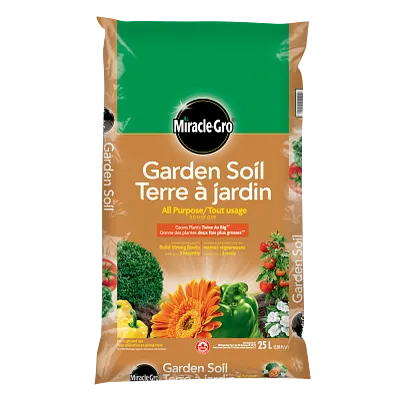
- Before planting, add nutrients to native soil by mixing in a 3-inch layer of Miracle-Gro® Garden Soil All Purpose
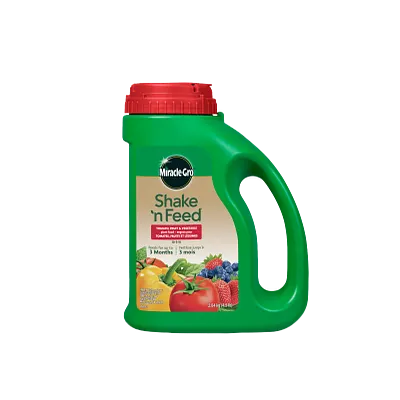
- One month after planting, begin feeding regularly with Miracle-Gro® Shake 'N Feed® Tomato, Fruits & Vegetables Plant Food
- Pollinate melons by hand to ensure successful fruit production.
- Test for ripeness before harvesting.
Cool, delicious, and nutrient-packed melon slices accent salads, serve as side dishes and lighten picnics. Growing melons is also a fun and simple way to learn how to self-pollinate plants. Read on to learn how to pollinate, care for, and harvest your melon patch
Become a Honeybee: Pollinate Melons
First, to get a jumpstart on growth, skip the seeds and plant young melon plants. After all, when you start with plants, you'll get to harvest time that much faster. By mid-summer, melons should be spreading their vines through the garden and flowering. The first bloom will be dominated by male flowers. You can identify female flowers by the tiny bulge of fruit growing at its base. Female flowers only open for a short period - in some melons, only a day. Check your melons every morning. When you see a female flower open, pluck a male flower, strip its petals and swab the pollen-coated anther onto the stigma structure inside the female flowers. Because melon flowers are most receptive to pollination early in the day, be sure to pollinate in the morning.
Feeding and Caring for Melons
Melons of all types are heavy feeders, and for the best results, you'll want to provide your plants with a combination of nutrient-rich soil and premium quality plant food. First, improve your soil with Miracle-Gro® Garden Soil All Purpose. Then, feed your melon plants regularly through the growing season with a continuous-release plant food like Miracle-Gro® Shake 'N Feed® Tomato, Fruits & Vegetables Plant Food, which feeds the soil as well as your plants. Water whenever the top inch of soil is dry, and mulch heavily through the warm months to help conserve moisture in the soil.
Harvesting Melons
Knowing when to pick melons can be tricky. Various tests reveal when different types are ripe. Muskmelons, known commonly as cantaloupe, are the most common variety of netted melons. Test for ripeness by pressing gently on the blossom end. Ripe melons have some give, unripe ones none at all. The fruit should smell like melon and slip from the stem with gentle pressure. Honeydews will soften slightly on the blossom end when ripe, along with a slight change in fruit color. Watermelons are ripe when the skin is dull not shiny, the small spot that touches the ground is yellow instead of white, and the tendrils on the stem are withered. If you strike the plant with the flat of your hand, it should give a deep, satisfying thump - the sound of good growing.
Here are the top tips for growing melons. For more detailed information, keep reading below.
- Timing: Plant melons when ground temperatures are consistently above 70°F and all danger of frost has passed.
- Location: Choose a spot that gets 6-8 hours of full sun every day.
- Soil: Improve soil by adding Miracle-Gro Organic™ Raised Bed & Garden Soil. For outdoor containers, use Miracle-Gro Organic™ Outdoor Potting Mix.
- Spacing: Give vining melons room to sprawl by spacing them 3 to 5 feet apart.
- Watering: Water melons when the top inch of soil is dry, taking care not to get water on the leaves or fruit.
- Pollination & Feeding: Hand-pollinate flowers to ensure fruit production and begin feeding with Miracle-Gro Organic™ All Purpose Plant Food one month after planting.
- Harvesting: Test for ripeness before harvesting; the method varies by melon type.
Cool, delicious, and nutrient-packed melon slices accent salads, serve as side dishes, and lighten picnics. Watermelon, cantaloupe, and honeydew all provide a sweet treat that you don't have to feel guilty about. Growing melons is also a fun and simple way to learn how to self-pollinate plants, and most melons need similar care to grow healthy and produce those sweet fruits. Learn how to grow, care for, and harvest your melon patch.

When and Where to Plant Melons
Melon plants need full sun to thrive, so find a spot in your garden that gets 6 to 8 hours of sunshine a day. Melons of all types are heavy feeders, and for the best results, you'll want to provide your plants nutrient-rich soil. Improve the soil in your in-ground garden by mixing 3 inches of Miracle-Gro Organic™ Raised Bed & Garden Soil into the top 6 inches of native soil. You can also use the same product to fill up raised beds.
While growing in outdoor pots isn't recommended for most melons, there are mini and compact varieties that do well in containers. You’ll need a pot with drainage and plenty of space—at least 18 inches across and 20 inches deep. Fill them with a nutrient-rich potting mix like Miracle-Gro Organic™ Outdoor Potting Mix.
How to Plant Melons
Plant melons when ground temperatures are above 70°F. For most regions, that means somewhere between mid- and late spring. You can get a jump on the season by starting seeds indoors a few weeks before you plan to plant them outside or by purchasing with young starter plants, like those from Bonnie Plants. Water thoroughly after planting.
Melon plants like to spread out, so space them 3 to 5 feet apart. If planting seeds directly in the garden, place 4-6 seeds at each space about ½ to 1 inch deep. You'll need to keep the soil moist until seeds germinate. Once seedlings are several inches tall, thin to the stronger seedling at each planting spot.

How to Care for Melon Plants
Melons need plenty of water and nutrition to produce a bounty of fruit.
- Watering: Once your plants are established, water whenever the top inch of soil is dry. Melon plants are heavy drinkers, so plan to water often. Be sure to water at the base of the plant, not the leaves or any fruits or flowers.
- Feeding: One month after planting, begin feeding your melon plants regularly through the growing season with a continuous-release plant food like Miracle-Gro Organic™ All Purpose Plant Food.
- Mulching: Mulch heavily through the warm months to help conserve moisture in the soil and keep it cool. A 3-inch layer of Miracle-Gro Organic™ All Natural Mulch also prevents weeds by blocking access to sunlight.
- Hand-Pollinating: By mid-summer, melons should be flowering. The first blooms will be male flowers; female flowers can be identified by the tiny bulge of fruit at their base. Female flowers may only be open for a day, so check your plants each morning. When you see a female flower open, pluck a male flower, strip its petals, and gently swab the pollen-coated anther onto the stigma inside the female flower. Female flowers are most receptive to pollination early in the day.
How to Harvest Melons
Knowing when to pick melons can be tricky; various tests reveal when different types of melon are ripe.
- Cantaloupe (Muskmelons): The fruit should smell like melon and “slip” (easily detach) from the stem with gentle pressure. A ripe melon will also have some give when you press gently on the blossom end (opposite the stem).
- Honeydew: These will soften slightly on the blossom end when ripe, along with a slight change in fruit color.
- Watermelon: A ripe watermelon will have dull, not shiny, skin. The small spot that touches the ground should be yellow instead of white, and the tendrils on the stem will be withered. It should also give a deep thump when you strike it with the flat of your hand.

Way to Use Your Melons
There are few things more satisfying on a hot summer day than a slice of cool cantaloupe or sweet watermelon! For a refreshing twist on a classic, try using your watermelon harvest to make a Tomato & Watermelon Caprese Salad. You can also slice or cube a variety of melons for an anytime snack or a simple fruit salad.
A patch of melon plants will take up space in your garden, but it's worth it for that first slice of a sweet, homegrown melon. Give your melon plants some care and attention, and you'll be snacking on delicious treats all summer.