
Keep the Color Coming: Our Favourite Flowers for Late Summer and Fall

Keep the Colour Coming: Our Favourite Flowers for Late Summer and Fall
As the long, hot days of summer begin to shorten and the air takes on a crisp edge, your garden doesn't have to fade away. Think of it as a second act! Fall is the perfect time to add a fresh burst of vibrant colour to your outdoor spaces.
Ever wonder how to keep your porch and garden beds looking gorgeous all the way until the first frost? We’re here to help you discover the joy of fall-blooming flowers. You can choose from cheerful annuals that provide instant beauty for one season, or you can plant patient perennials that will reward you with colour for years to come, or plant a mix of both! Let's dig in and find the perfect autumn blooms for you.

Easy, Instant Beauty with Fall Annuals
If you're looking for quick, can't-miss colour, annuals are your best friend. They're perfect for filling containers, window boxes, and bare spots in the garden with immediate, show-stopping blooms.
Mums and pansies are popular fall standbys for a reason: they are incredibly reliable and absolutely beautiful. You can find them in almost any garden center, and they come in a stunning array of autumn colours, from deep purples and sunny yellows to fiery oranges and reds. Imagine a pot of jewel-toned mums on your doorstep or a line of velvety pansies along a walkway—they're guaranteed to make you smile long after your summer flowers have gone dormant. Other fantastic annuals that provide gorgeous fall colour include ornamental kale, petunias, and the graceful purple fountain grass.

Lasting Colour with Fall-Blooming Perennials
Ready to grow something that comes back year after year? Let's talk about perennials! Planting fall-blooming perennials is a wonderful investment in your garden's future. While some may not bloom their first year, your patience will be rewarded with beautiful, reliable colour every autumn.
One of the best ways to ensure success is to choose plants that are native to your area. Native plants are already adapted to your local climate, which means they're often easier to care for and more likely to thrive. Just remember that some plants might be perennial in warmer zones but are best treated as annuals in colder regions. A little research on your specific area goes a long way!
Here are a few native flowers that shine in the fall, broken down by region to help you get started:
- In the West (British Columbia): Look for the striking blue-purple spires of native camas bulbs, the delicate pink of bleeding hearts, and the bold red of wild columbine.
- In the Prairies (Alberta, Saskatchewan, Manitoba): Try the tough and lovely prairie crocus, hardy purple coneflowers, and the ever-vibrant blanket flower (gaillardia).
- In Central Canada (Ontario & Quebec): Classic Virginia bluebells, cheerful black-eyed Susans, and delicate white bloodroot bulbs are fantastic choices that thrive in woodland and garden soils alike.
- In Atlantic Canada (Maritimes & Newfoundland): Blue flag iris, shade-loving foamflower, and colourful lupines will bring pollinators and rich colour to your coastal yard.
- In the North (Yukon, NWT, Nunavut): You can't go wrong with the resilient sunny blooms of the Arctic poppy, hardy mountain avens, and vibrant fireweed to make the most of the shorter growing season.

Setting Your Flowers Up for Success
No matter which beautiful flowers you choose, giving them a healthy start is the key to amazing results. Here’s how you can be the growth coach your plants need.
Start with Great Soil
Happy roots make for happy plants! The right soil gives your flowers the drainage, aeration, and nutrients they need to thrive.
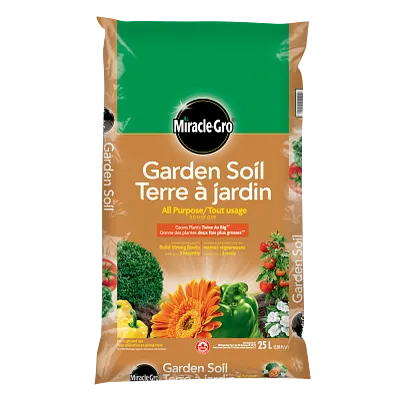
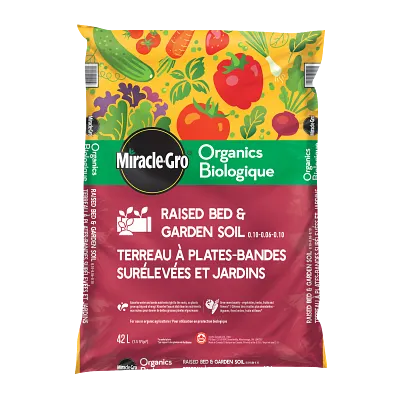
- For in-ground garden beds: you'll get the best results by enriching your native soil. Mix in a high-quality, all-purpose garden soil to improve the texture and provide essential nutrients right where your plants need them. If you prefer to grow organically, look for an organic garden soil that’s full of rich organic matter.
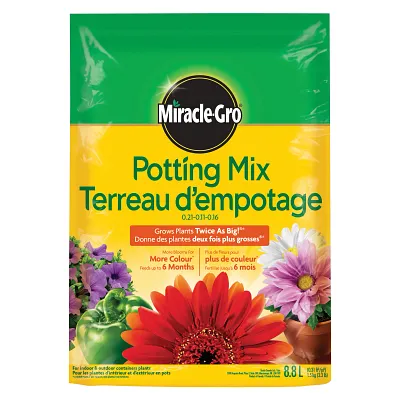
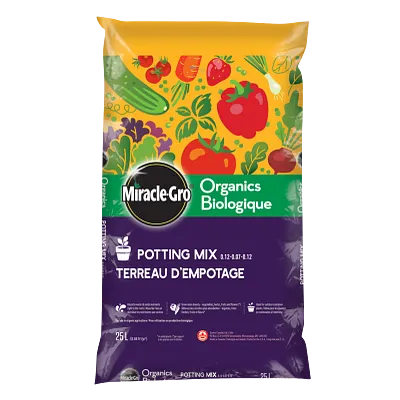
- For outdoor containers: always use a potting mix which is specifically designed for containers. If you sometimes worry about over- or under-watering (we've all been there!), consider using a moisture control potting mix that helps absorb excess water and release it when the plant needs it. Or if you prefer to grow organically, you can look for an organic potting mix.
Give Your Blooms a Boost
As the sun's rays become a little less intense, your hard-working flowers will appreciate a steady source of nutrients to keep producing those gorgeous blooms. Starting about a few weeks after planting, begin feeding your plants every week or two with a flower food formulated to promote big, beautiful blooms. Watch your plants' leaves; they'll often tell you if they're hungry. If you notice the lower leaves starting to turn pale green or yellow, that’s a sure sign they could use a meal.
Keep Them Hydrated
Even though the scorching heat of summer is gone, your flowers still need a consistent drink of water. A good rule of thumb is to water whenever the top inch of soil feels dry to the touch.
A Simple Trick for More Flowers: Deadheading
Here’s a little secret to keep the blooms coming on your annuals like mums and pansies: deadheading. It sounds technical, but it’s so simple. Just gently pinch or snip off any flowers that have faded or turned brown. This encourages the plant to put its energy into producing new flowers instead of making seeds, resulting in more color for a longer period. It's a satisfying little task that makes a huge difference.
A quick note on perennials: It's best to stop deadheading your perennial flowers in the fall. Letting their late season flowers go to seed helps them prepare for winter dormancy. The seed heads can also provide food for birds and add some interesting texture to your garden during the colder months.
The days may be getting shorter and cooler, but your garden can be as vibrant and vital as ever. We hope you feel inspired to get out there and enjoy the rich colors and joyful feeling of growing something this fall.