
When to Plant Spring Bulbs

When to Plant Spring Bulbs
Find out when to plant bulbs to bloom when spring comes to your area.

Timing Is Everything
Planting bulbs requires thinking a season ahead: to get that spectacular springtime show, your bulbs need to go into the ground in the fall. They require enough time to establish their root systems before the ground freezes solid, followed by a sustained period of cold soil temperatures to properly chill and initiate the blooming process.
But fall doesn't arrive on the same schedule across Canada. The ideal planting weekend in Victoria, British Columbia, will look vastly different than it does in Toronto or Montreal, or even St. John's, Newfoundland. So how do you know exactly when to get your hands dirty? Follow these steps to ensure a garden full of colour next spring.
Know Your Hardiness Zone The most accurate way to time your fall planting is by checking Agriculture and Agri-Food Canada’s Plant Hardiness Zone Map. This map divides the country into growing zones (ranging from 0 in the harshest climates to 9 in the mildest coastal areas) based on average winter minimum temperatures and other climate variables.
Choosing Your Spring Bulbs
The first—and arguably most fun—step is picking your bulbs. Spring bloomers come in an incredible array of sizes, shapes, and colours. Whether you want a bold, high-contrast garden or a soft, pastel landscape, there is a bulb suited for your Canadian yard.
The Classics: These iconic flowers are staples of the Canadian spring for good reason.
- Tulips: Available in nearly every colour imaginable, tulips are perfect for dramatic colour blocks. Depending on the variety, they bloom from early to late spring.
- Daffodils: Hardy and reliable, these cheerful yellow, white, and orange blossoms are a beautiful, deer-resistant symbol of the changing seasons.
- Hyacinths: Famous for their intense, sweet fragrance and deep hues of blue, purple, pink, and white, hyacinths are a favourite for garden borders.
The Early Bloomers: Want to be the first house on the street with spring colour?
- Crocus: These tiny but tough flowers are famously known for pushing right through late-season snowfalls in shades of purple, yellow, and white.
- Snowdrops: Nodding, delicate white flowers that signal the end of winter, often blooming while frost is still heavy on the ground.
Larger-Than-Life Varieties: If you want your garden to make a statement, try these architectural beauties.
- Alliums: Featuring tall, sturdy stems topped with spherical clusters of purple, white, or pink, ornamental onions add incredible height and texture to your beds.
- Fritillaria: Often called "Crown Imperial," these distinctive bell-shaped flowers bring bold orange, red, and yellow drama to the mid-spring garden.
Design Tip: By mixing bulbs with staggered bloom times (early, mid, and late spring), you can create a continuous display of colour that lasts from the first thaw until early summer.
Know Your Zone: When to Plant
To pinpoint your fall planting window, look up your Canadian Hardiness Zone. Your goal is to plant when the evening soil temperatures have cooled to about 10°C, but roughly six weeks before the ground freezes solid.
Zones 0-2 (Far North & Northern Prairies): Late August to Early September
Zone 3 (Central Prairies, Northern ON/QC): Early to Mid-September
Zones 4-5 (Calgary, Ottawa, Montreal, Maritimes): Mid-September to Early October
Zone 6 (Toronto, Windsor, Halifax): Mid to Late October
Zones 7-9 (Vancouver, Victoria, Coastal BC): Late October through November
Tips for Your Region
Planting in Colder Areas (Zones 0-5): In most of Canada, getting the timing right is crucial. Plant early enough for root establishment, but not so early that a warm spell tricks them into sprouting above ground before winter. Once planted and watered, apply a thick 3-to-4-inch layer of mulch, straw, or shredded leaves. This insulates the soil and protects tender bulbs during the freeze-thaw cycles—especially critical in Prairie regions where chinooks can suddenly melt protective snow cover.
Planting in Warmer Areas (Zones 7-9): If you garden in mild coastal areas like the Lower Mainland or Vancouver Island, deep freezes are rare. You can plant much later in the season. However, because your winters are mild, certain classic bulbs (like some tulips) may not get the deep chill they require to bloom. You can "trick" them by placing them in your refrigerator for 8 to 10 weeks before planting them outdoors in late November or December.
Pro Tip:
If you chill your bulbs in the fridge, keep them far away from fruit. Apples and other fruits emit ethylene gas as they ripen, which will destroy the flower bud inside the bulb.

How to Plant Your Bulbs
In the Ground
Planting directly into your garden beds allows for sprawling, natural-looking drifts of colour.
- Design Your Layout: Place taller varieties (like alliums) at the back of the border and shorter ones (like crocuses) at the front for a layered look.
- Pick the Right Spot: Bulbs need full sun (or dappled spring sun under deciduous trees) and well-drained soil. Avoid low-lying areas where melting Canadian snow pools in the spring; bulbs left sitting in freezing water will rot.
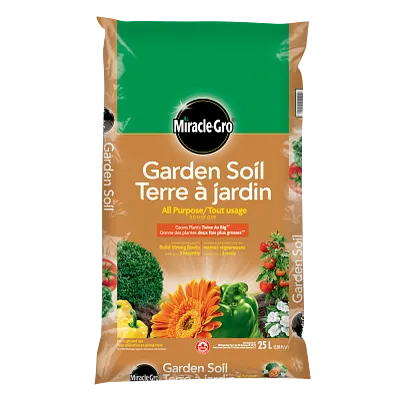
- Prepare the Soil: Use Miracle-Gro All Purpose Garden Soil to promote strong root growth.
- Get the Depth Right: The golden rule of bulb planting is to dig a hole three times as deep as the bulb is tall. Large bulbs like daffodils go about 6 to 8 inches deep, while smaller bulbs like snowdrops only need 3 to 4 inches.
- Water and Mulch: Water the bed thoroughly right after planting to wake up the bulbs and settle the soil, then top with mulch to regulate winter temperatures.
In Containers
Container planting is perfect for condo balconies or framing your front porch.
- Choose Your Container: Use pots that are at least 16 inches wide for a big display. Crucial Tip: Avoid classic terra cotta pots; they absorb moisture and will shatter when they freeze. Opt for thick resin, fiberglass, or heavy plastic pots with excellent drainage holes.
- Plant the Bulbs: Try a "bulb lasagna" technique. Use Miracle-Gro Potting Mix or Miracle-Gro Moisture Control Potting Mix at the bottom, lay down your largest bulbs (daffodils/tulips), cover with soil, add a layer of medium bulbs (hyacinths), cover again, and top with small bulbs (crocus). Leave an inch of space at the top of the pot.
- Water and Store: Water thoroughly. Because containers don't have the earth's natural insulation, a deep Canadian freeze will turn the pot into an ice cube, killing the bulbs. Store your planted containers in an unheated garage, shed, or cold cellar for the winter. Check occasionally to ensure the soil is barely moist.
- Spring Awakening: When temperatures begin to stay above freezing in early spring, move the pots outside into the sun and watch them sprout.

Keep Digging Critters Away
One of the most frustrating parts of fall planting is watching Eastern grey squirrels, chipmunks, or raccoons dig up your hard work. Try these deterrents:
- Apply a Natural Scent Deterrent: Because squirrels and rabbits are herbivores, they are naturally repelled by the scent of a predator. Lightly sprinkling Miracle-Gro® Organics Blood Meal over your newly planted beds is an excellent, natural way to keep pests away. As a bonus, it gives your soil a fantastic boost of organic nitrogen! (Pro Tip: Avoid using bone meal when planting if you have a lot of critters, as its scent can actually attract digging scavengers).
- Plant Unappetizing Bulbs: Wildlife love to eat tulips and crocuses, but they despise the taste of daffodils, alliums, snowdrops, hyacinths, and fritillaria.
- Use a Wire Mesh Barrier: Lay down a piece of chicken wire directly over the planted soil, and cover it with mulch. Pests can't dig through the wire, but the spring shoots will easily grow through the gaps.
- Provide an Alternate Buffet: Sometimes, setting up a squirrel feeder with nuts and seeds far away from your garden beds is the easiest way to keep them distracted. With your bulbs tucked safely into the earth, you can head inside and wait out the winter. By the time the snow begins to melt, your garden will be ready to burst into a spectacular, colourful welcome to spring.