




Update Location
Enter a ZIP code to get product recommendations and information tailored to your area.

Is there any flower that says "tropical paradise" quite like hibiscus? With their dinner-plate-sized blooms and brilliantly saturated colors, hibiscus plants bring a lush, exotic vibe to any garden, patio, or windowsill. Whether you're drawn to cold-hardy perennial types or sun-loving tropical varieties, learning how to grow hibiscus is more straightforward than you might expect. In this guide, we'll cover everything from planting and feeding to pruning, troubleshooting, and winterizing hibiscus.
| Feature | Details |
|---|---|
|
Botanical Name |
Hibiscus rosa-sinensis (tropical); Hibiscus moscheutos (hardy perennial); Hibiscus syriacus (Rose of Sharon) |
|
Plant Type |
Tropical perennial (grown as annual in cold climates) or hardy perennial, depending on species |
|
Mature Size |
3–8 ft. tall x 3–6 ft. wide (varies by type) |
|
Blooming Season |
Summer through fall (tropical and Rose of Sharon); mid to late summer (hardy) |
|
Flower Colors |
Red, pink, white, purple, orange, yellow, and bicolor (varies by type and cultivar) |
|
Growth Rate |
Moderate to fast |
|
Light Needs |
Full sun (6–8 hours of direct sunlight daily); afternoon shade helpful in extreme heat |
|
Water Needs |
Regular; keep soil consistently moist but well-drained; water when top 1–2 inches of soil are dry |
|
Soil Type |
Moist, well-draining, amended with organic matter |
|
Soil pH |
6.0–7.0 (slightly acidic to neutral) |
|
Maintenance Level |
Moderate |
|
Hardiness Zones |
Tropical: Zones 10–12; Hardy: Zones 4–9; Rose of Sharon: Zones 5–9 |
|
Toxicity |
Generally considered non-toxic to dogs and cats |
Getting your hibiscus off to a strong start begins with the right planting technique, the right soil, and the right spot. Address these foundational questions and you'll set your plants up for a season of spectacular blooms.
How to plant hibiscus?
Proper planting, combined with good timing, gives your hibiscus the best possible start.
What kind of soil does hibiscus need?
Hibiscus thrives in moist, well-drained soil that's rich in organic matter. Hardy hibiscus tolerates heavier clay soils better than tropical varieties, but all types resent poorly-drained, waterlogged ground. Work in compost, aged bark, or all purpose garden soil to improve drainage and aeration.
What is the ideal soil pH for hibiscus?
Hibiscus performs best in slightly acidic to neutral soil with a pH between 6.0 and 7.0. Test your soil with an inexpensive home test kit. You can lower the pH of your soil with elemental sulfur or by incorporating organic matter, if needed, or raise it by adding garden lime.
How much sun does it need?
All hibiscus types require a minimum of 6 to 8 hours of direct sunlight daily for the best blooming. In extremely hot climates, a little afternoon shade helps prevent leaf scorch. Morning sun is always ideal because it dries dew from the foliage and reduces disease risk.
How far apart should I space them?
Spacing depends on the type of hibiscus you're growing. Rose of Sharon should be planted 6 to 10 feet apart. These large shrubs can eventually reach 8 to 12 feet wide, and adequate room prevents crowding. Hardy (perennial) hibiscus needs 3 to 4 feet of spacing; their broad, herbaceous clumps expand each year and need room to fill in. Tropical hibiscus can be spaced 3 to 5 feet apart in the garden, or grown one plant per container. Good spacing for all types improves air circulation and reduces the risk of powdery mildew and other fungal problems.
Growing hibiscus from seed is a rewarding, though slower, way to fill your garden with these gorgeous bloomers. All three types can be grown from seed; however, there are some differences. Rose of Sharon is the easiest to grow from seed and self-seeds prolifically in the garden. Hardy hibiscus also germinates reliably from seed. Tropical hibiscus can be started from seed, but named cultivars typically won't come true to the parent plant's flower color or form; for true-to-type tropicals, propagate by stem cuttings instead. Whether you direct sow outdoors or start seeds on a sunny windowsill, the process is simple once you know the steps.
How do I plant hibiscus seeds directly in the garden?
Direct sowing works best in warm-climate regions where the growing season is long enough for seedlings to mature.
How do I start hibiscus seeds indoors?
Starting seeds indoors gives you a head start and is especially useful in cooler climates with shorter outdoor growing seasons.
How long do hibiscus seeds take to sprout?
Under ideal warm, moist conditions, hibiscus seeds typically germinate within 7 to 21 days. Pre-treating the seed coat can shorten this window.

Consistent watering and smart feeding are the most important factors for both tropical hibiscus care and hardy hibiscus care. Get these tasks right and your plants will reward you with bloom after bloom.
How often should I water?
Correct watering prevents both drought stress and root rot—two of the top reasons hibiscus underperform.
What is the best fertilizer for hibiscus?
Feeding needs vary by hibiscus type, so matching the fertilizer to the plant makes a real difference. All three types of hibiscus benefit from a complete fertilizer containing micronutrients—including iron and magnesium—for strong, healthy growth.
Rose of Sharon thrives with low-nitrogen fertilizer formula—excess nitrogen pushes leafy growth at the expense of blooms. A slow-release plant food like Shake 'n Feed Rose & Bloom, which delivers a steady supply of nutrients for 3 months is best. Make the first application of the growing season in early spring as new leaves begin to emerge.
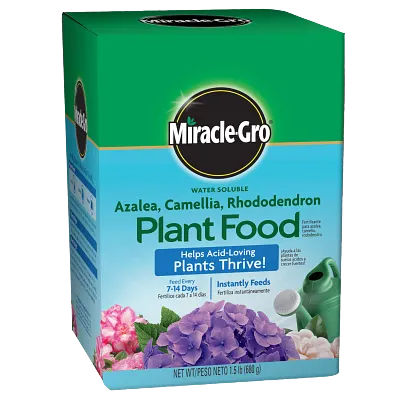
Hardy (perennial) hibiscus does best with a high-potassium, low-phosphorus plant food. An acid-loving plant food is an excellent choice. Hardy hibiscus are heavy feeders that benefit from regular, light applications throughout spring and summer. Be careful with phosphorus: unlike most flowering plants, too much phosphorus can trigger flower bud drop in perennial hibiscus. Stop feeding in early fall as the plant begins going dormant for winter.
Tropical hibiscus is also a heavy feeder that can be harmed by phosphorus buildup in the soil. An acid-loving plant food also works well for tropical varieties. Feed lightly and frequently throughout the growing season—spring through fall.

Beyond watering and feeding, a few additional care techniques help your hibiscus keep producing those jaw-dropping flowers all season.
How do I Deadhead Hibiscus?
Deadheading practices differ by hibiscus type, so it helps to know how each one responds.
What are the daily maintenance needs?
A few minutes of daily attention keeps hibiscus healthy and looking their best.
Knowing these common pitfalls makes hibiscus plant care much smoother, even for experienced gardeners.
Don't Overwater
Hibiscus loves moist soil, but waterlogged roots are a problem. Overwatering causes "wet feet," depriving roots of oxygen and leading to root rot. Always check the soil before watering and make sure containers have clear drainage holes.
Avoid High-Nitrogen Fertilizer
A high-nitrogen plant food pushes your hibiscus into foliage-production mode at the expense of blooms. Stick with a low-nitrogen, high-potassium formula.
Don't Skip Winter Prep for Tropical Hibiscus
Winter hardiness varies significantly by hibiscus type, and the right approach depends on which variety you're growing.
Rose of Sharon and hardy (perennial) hibiscus are both frost-tolerant and need no special winter protection. Rose of Sharon is a deciduous shrub that simply drops its leaves and goes dormant. Hardy hibiscus dies back completely to the ground in fall. Don't be alarmed if it disappears entirely; it will re-emerge from the roots in late spring.
Tropical hibiscus cannot survive freezing temperatures. As nighttime temperatures approach 50°F, it's time to act. If your tropical hibiscus is growing in a container, move it indoors to a bright, sunny spot before the first frost. If it's planted in the ground in a region where tropical hibiscus is not winter-hardy, frost cloth alone will not protect it through a hard freeze. Your options are to dig it up, pot it, and bring it inside, or to compost it and start fresh with a new plant the following spring.
Most common pests and diseases are manageable when caught early; a watchful eye is your simplest defense.
Identifying the Most Common Bugs and Fungus
Here are the issues you're most likely to encounter and how to handle each one.
Aphids
These tiny, soft-bodied insects cluster on new growth and the undersides of leaves, sucking plant sap and leaving sticky honeydew. The Fix: Blast them off with a strong stream of water. For heavier infestations, apply insecticidal soap or an insecticide labeled for aphids following label directions.
Powdery Mildew
Appears as a white, powdery coating on leaves and stems, especially in humid, crowded conditions. The Fix: Improve air circulation, remove severely affected leaves, and apply a fungicidal spray if needed.
Root Rot
Caused by overwatering or poorly draining soil; shows up as yellowing, wilting leaves despite moist soil. The Fix: Amend in-ground soil with compost or garden soil, adjust watering, and repot container plants in fresh, well-draining potting mix.
Spider Mites
These near-invisible pests create fine webbing on leaf undersides and cause stippled, faded foliage. The Fix: Mist plants regularly to raise humidity and treat with insecticidal soap, neem oil, or a product labeled to control mites.

Tropical hibiscus is the container-growing champion of the hibiscus family. Growing in containers gives you the flexibility to move tropical hibiscus to the best light on your deck or patio and to bring it indoors before cold weather arrives. Rose of Sharon and hardy hibiscus, by contrast, grow best in the ground and are not well-suited to container life.
For tropical hibiscus in containers, choose a pot at least 12 to 14 inches in diameter with good drainage holes. Fill it with a quality moisture control potting mix designed to hold moisture without becoming waterlogged. Container plants dry out faster than in-ground plants so expect to water more frequently, sometimes daily in summer heat. Feed every two weeks with a water-soluble plant food during the growing season to keep blooms coming strong.

Propagating hibiscus from stem cuttings multiplies your favorite plants for free and is perfect for filling more spots in the garden or sharing with friends.

Once your hibiscus is blooming, you can enjoy the flowers beyond the garden—in a vase or saved as seeds for next season. Timing is everything when it comes to getting the most from your hibiscus blooms.
Tips on Cutting Hibiscus for Vases
When to Collect Hibiscus Seeds for Next Season
With so many gorgeous varieties available, knowing the key differences helps you choose the right plant for your climate and space. Hibiscus falls into three main groups:
Rose of Sharon (Hibiscus syriacus)
Rose of Sharon is a cold-hardy, deciduous shrub that thrives in Zones 5–9. It produces an abundance of blooms, typically 2 to 4 inches across, from mid-summer through fall, and tolerates heat, drought, and a wide range of soil conditions. Rose of Sharon blooms on new wood each season, making it easy to prune and shape into a hedge, specimen shrub, or small tree form. Popular cultivars include 'Blue Satin' (true blue-violet that’s rare in the garden and ideal for hedges), 'Minerva' (lavender-pink blooms with a dark center eye), and 'Diana' (pure white ruffled flowers that are sterile and won't self-seed).

Hardy Hibiscus (Hibiscus moscheutos)
Also called perennial hibiscus or swamp mallow, hardy hibiscus is a true herbaceous perennial in Zones 4–9. It dies back to the ground each winter and re-emerges from the roots in late spring. Hardy hibiscus produces some of the largest blooms in the garden—dinner-plate flowers that can reach 10 to 12 inches across. Popular cultivars include 'Luna Red' (compact at 2 to 3 feet tall with deep crimson blooms), 'Lord Baltimore' (brilliant red 10-inch flowers on sturdy 4- to 5-foot stems), and 'Summerific Evening Rose' (deep rose-pink blooms with dramatic dark foliage).

Tropical Hibiscus (Hibiscus rosa-sinensis)
Tropical hibiscus is the showstopper of the hibiscus family, prized for its large, vibrantly colored blooms and extended flowering season from spring through fall. Hardy only in Zones 10–12, it thrives as a container or patio plant across most of the country and can be moved indoors before the first frost. Popular cultivars include 'Brilliant' (vivid scarlet-red blooms, a top pick for patio containers), 'Double Peach' (ruffled, peach-pink double flowers with a rose-like appearance), and 'The Path' (golden-yellow blooms with a crimson center eye).

It depends on the type. Hardy hibiscus (Zones 4–9) is a true perennial that dies back to the ground each winter and returns in spring — often later than other perennials, so be patient if yours seems slow to sprout. Rose of Sharon (Zones 5–9) is also a cold-hardy perennial shrub that drops its leaves in winter and leafs back out each spring. Tropical hibiscus is only perennial in frost-free Zones 10–12; everywhere else, it must be overwintered indoors or treated as an annual.
Yes. Hibiscus is generally considered non-toxic to both dogs and cats according to the ASPCA, though large amounts of any plant material may cause mild stomach upset.
The most common culprits are overwatering, underwatering, or nutrient deficiencies. Water deeply only when the top 1 to 2 inches of soil are dry. If yellowing appears between the leaf veins (interveinal chlorosis), an iron or magnesium deficiency may be the cause; a fertilizer with micronutrients can help correct this.
Tropical hibiscus and Rose of Sharon bloom from late spring through fall in warm climates. Hardy hibiscus has a shorter window—mid to late summer—but produces new flowers daily throughout the flowering season.
Yes. Tropical hibiscus adapts well to indoor life provided it gets at least six hours of direct sunlight daily. A south-facing window or grow lights work well. Water when the top inch of soil is dry and watch for spider mites, which thrive in dry indoor air.
Hardy hibiscus (Hibiscus moscheutos), also called perennial hibiscus, survives winters down to Zone 4, dies back to the ground, and re-emerges each spring. Tropical hibiscus (Hibiscus rosa-sinensis) stays evergreen in frost-free Zones 10–12 but needs indoor protection in colder climates. Hardy types produce larger, plate-sized flowers; tropical varieties offer a wider color range and a longer bloom season.
Bud drop is usually triggered by water stress, temperature fluctuations, or low humidity. Sudden environmental changes—like moving a container plant from outdoors to indoors—are a common cause. Keep watering consistent and avoid placing plants near air-conditioning vents.
Hardy hibiscus is one of the last perennials to emerge; don't worry if your plant seems late. It typically doesn't sprout until soil temperatures warm in late May or early June. Be patient.
Bring tropical hibiscus inside before nighttime temps consistently drop to 50–55°F. Prune back one-third to one-half of the growth to manage size, then place it in a bright spot with at least six hours of direct sunlight daily. Water only when the top inch of soil is dry and hold off on fertilizer until spring.
Hibiscus is one of the most rewarding plants a gardener can grow, whether you're drawn to the tropical drama of a dinner-plate bloom on a sun-drenched patio, the dependable summer return of a hardy perennial from the roots each year, or the carefree charm of Rose of Sharon blooming along a fence line season after season. The keys to success are universal: full sun, consistently moist soil, and the right plant food for your variety. Get those fundamentals right, and hibiscus will reward you with some of the most spectacular blooms in the gardening world. Pick your type, plant it, and enjoy the show.