




Update Location
Enter a ZIP code to get product recommendations and information tailored to your area.

A long-lived holiday bloomer that can flower for decades—here’s how to keep yours healthy and blooming every year.
Christmas cactus is a trailing houseplant with flat, segmented stems and bright tubular flowers in red, pink, magenta, white, and orange that open just as most plants are taking a winter break. People love it because it’s easy to grow, lives for decades (some are passed down for generations), and reblooms year after year with the right care in fall. The key to success is knowing it isn’t a desert cactus: it’s a forest plant that likes bright, indirect light, more water than other cacti, and cool, long nights in fall to set its buds.
Key Takeaways
In This Article: Christmas Cactus Care at a Glance · Is It a Christmas, Thanksgiving, or Easter Cactus? · Where Should You Put a Christmas Cactus? · How Often Should You Water a Christmas Cactus? · What Is the Best Soil for a Christmas Cactus? · How Should You Fertilize a Christmas Cactus? · How Do You Get a Christmas Cactus to Bloom? · How Do You Prune and Propagate a Christmas Cactus? · How Do You Repot a Christmas Cactus? · What Colors Do Christmas Cactus Come In? · Is a Christmas Cactus Toxic to Cats, Dogs, and People? · Why Is My Christmas Cactus Dropping Buds? · Christmas Cactus FAQs
Christmas cactus is a long-lived forest cactus that thrives in bright, indirect light, moderate watering, and cool fall nights that trigger its winter blooms.
| Attribute | Description |
|---|---|
|
Botanical name |
Chrismtas cactus: Schlumbergera × buckleyi Thanksgiving cactus: Schlumbergera truncata |
|
Also called |
Holiday cactus, Thanksgiving cactus (closely related; most commonly sold during the holidays) |
|
Plant type |
Epiphytic forest cactus (grows on trees in the wild) |
|
Mature size indoors |
1-2 ft tall and up to 3 ft wide, trailing with age |
|
Growth rate |
Moderate |
|
Light exposure (best) |
Bright, indirect light |
|
Light tolerance |
Medium to bright indirect; direct sun reddens and scorches stems |
|
Water needs |
Moderate; water when the top 1-2 inches of soil are dry |
|
Ideal temperature |
60-70°F; 50-55°F nights in fall help set buds |
|
Ideal humidity |
40-60%; benefits from extra humidity in dry winter air |
|
Soil type |
Fast-draining potting mix |
|
Soil pH |
About 5.5-6.5 |
|
Fertilizer |
Liquid plant food for cacti and succulents, spring through summer |
|
Bloom time |
Late November-January (Thanksgiving types slightly earlier) |
|
Toxicity |
Non-toxic to cats and dogs (ASPCA) |
Garden Library
Epiphyte: a plant that grows on another plant, such as a tree branch, for support and gets its moisture and nutrients from rain, air, and debris. In the wild, Christmas cacti grow in the branches of trees in Brazil’s coastal mountains.
Many plants sold as “Christmas cactus” are actually Thanksgiving cactus, which blooms a few weeks earlier. You can tell them apart by their stem segments. Care is the same for both; only the bloom time differs.
| Type | Stem segment edges | Typical bloom time |
|---|---|---|
|
Thanksgiving cactus |
Pointed, claw-like teeth |
Mid-November to December |
|
Christmas cactus |
Rounded, scalloped edges |
December to January |
|
Easter cactus |
Rounded edges with small bristles |
Spring; needs cooler, drier fall conditions |
Place your Christmas cactus in bright, indirect light, such as near an east- or north-facing window or a few feet back from a sunny south- or west-facing one. Strong direct sun can turn the stems red and scorch them. Keep it in a spot with normal room temperatures (60-70°F), away from heating vents and cold drafts.
Once buds form, try not to move the plant. Sudden changes in light or temperature are the most common cause of bud drop. In summer, Christmas cactus can vacation outdoors in a shady, protected spot once nights stay above 50°F.

Water your Christmas cactus when the top 1-2 inches of soil feel dry—usually every 1-2 weeks, depending on light, temperature, and pot size. It needs more water than desert cacti but still rots in soggy soil. Water thoroughly, let it drain, and never leave the pot standing in water. Keep moisture steady while the plant is budding and blooming, and water a little less in early fall and after flowering.

Christmas cactus needs a light, fast-draining mix that lets air reach the roots, much like the bark and leaf litter it grows on in nature. Heavy, dense soil stays wet too long and leads to root rot.
Miracle-Gro Indoor Potting Mix for Cactus & Succulent is a fast-draining blend of forest products, peat moss, sand, and perlite that helps protect plants from root rot. Because it drains quickly, check the soil a bit more often than you would for a desert cactus.
Feed your Christmas cactus every 2 weeks from spring, after it finishes blooming, through late summer. That’s when it grows new stem segments and stores the energy it needs for next winter’s flowers. Stop feeding in early fall, when you start encouraging buds.
Miracle-Gro Indoor Plant Food for Cactus & Succulent is formulated with phosphorus and potassium to help increase your plant’s ability to withstand environmental stress. Pump it onto the soil before watering or mix with water in a watering can, following the label directions.
Christmas cactus sets flower buds in response to long nights, cool temperatures, or both. Starting in late September or early October, give your plant about 6 weeks of 12-14 hours of uninterrupted darkness each night, or keep it in a cool room around 50-55°F. Stop feeding and water a little less during this time. When buds appear at the stem tips, return to normal care and leave the plant in place.

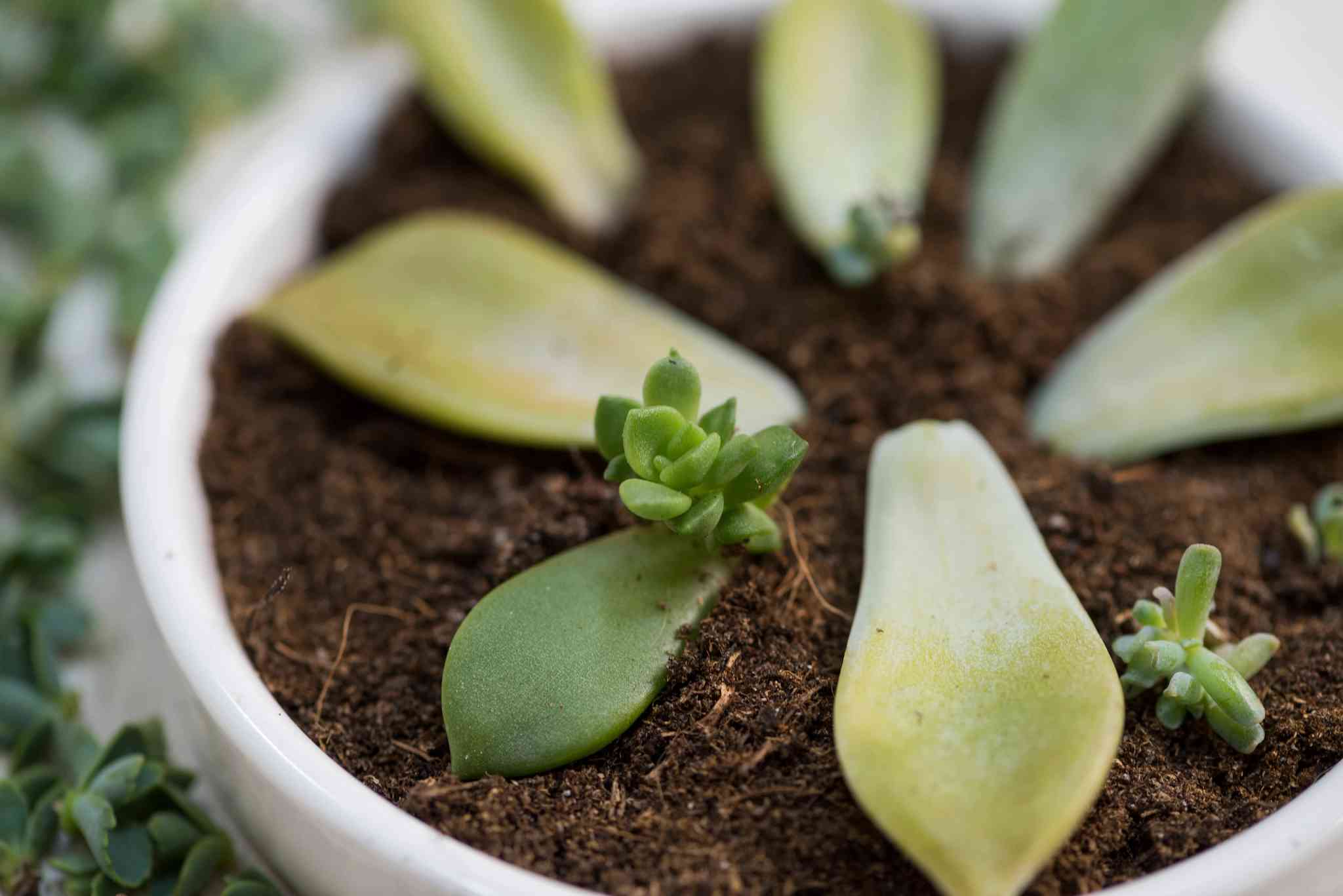
Prune your Christmas cactus in late spring, after it finishes blooming, to keep it full and bushy. Simply twist off one to three segments at the end of the longest stems. Each pruned piece is a ready-made cutting that roots easily, making it simple to grow new plants to share.

Repot a Christmas cactus every 2-3 years in late spring, after blooming, or when roots fill the pot. Move up just 1-2 inches in pot size. These plants bloom best when slightly root-bound, so don’t rush the move.
True Christmas cactus blooms in a limited range of magenta, rosy pink, and red shades. The wider rainbow of colors you see in stores, including white, yellow, orange, and bicolors, comes almost entirely from Thanksgiving cactus and its hybrids, which are often sold under the Christmas cactus name. Care is the same for all of them.
Not sure which one you have? Check the flowers’ anthers along with the stem edges (see the comparison table above). Yellow anthers mean it’s a Thanksgiving cactus.

No. Christmas cactus is non-toxic to cats and dogs, according to the ASPCA, which makes it a great holiday plant for pet owners.
If your pet eats a large amount and seems unwell, contact your veterinarian.
Bud drop is almost always a reaction to change: a sudden shift in temperature or light, a cold or hot draft, moving the plant after buds form, or big swings between dry and soggy soil. Once buds appear, keep the plant in one spot, away from heat vents and drafty doors, and keep watering consistent.
| Symptom | Most likely cause | How to fix it |
|---|---|---|
|
Buds dropping before opening |
Moving the plant, drafts, temperature swings, uneven watering |
Keep the plant in place; avoid drafts; water consistently |
|
Stems turning red or purple |
Too much direct sun, cold, or drought stress |
Move out of direct sun; check watering and temperature |
|
Limp, wrinkled segments |
Underwatering, or root rot from overwatering |
Check soil: water if dry; if wet, check roots and repot |
|
Segments dropping off |
Overwatering, root rot, or sudden stress |
Let soil dry slightly; check roots; keep conditions steady |
|
No blooms |
Too much light at night or a room that’s too warm in fall |
Give 6 weeks of long nights or cool 50-55°F temperatures |
|
Woody, corky base |
Normal aging |
Nothing to fix—a sign of an older, established plant |
Mealybugs (white, cottony clusters where segments join), scale, spider mites, and fungus gnats can affect Christmas cactus. Dab mealybugs and scale with a cotton swab dipped in rubbing alcohol, rinse the plant with lukewarm water, and let the top of the soil dry between waterings to discourage fungus gnats.
Christmas cacti can live for decades with good care, and many are passed down through families for 50 years or more. Older plants develop woody bases and can grow quite large.
Yes, in summer. Once nights stay above 50°F, place it in a shady, protected spot outdoors, and bring it back inside before temperatures drop below 50°F in fall. Avoid direct sun, which scorches the stems.
No. Enjoy the blooms first. Repotting while the plant is budding or flowering can cause bud drop. Wait until late spring, after it finishes blooming, and repot only if roots fill the pot.
While it’s blooming, water when the top 1-2 inches of soil are dry, often about once a week in a warm room. After flowering ends, let the soil dry a little more between waterings for a few weeks while the plant rests.
Sometimes. Healthy plants occasionally rebloom in spring if they experience cool nights again. The main bloom, though, follows the long nights and cool temperatures of fall.