




Update Location
Enter a ZIP code to get product recommendations and information tailored to your area.

Find the spots ants, roaches, spiders, and other bugs favor room by room, and how to make each one less inviting.
Bugs are good at finding the tiniest openings into your home, and once they’re inside, they’re just as good at staying out of sight. Before you can get rid of ants, roaches, spiders, and other indoor bugs, it helps to know where to look. Here’s a room-by-room guide to their favorite hiding places and what to do about each one.
Key Takeaways
Bugs hide indoors because your home offers what they need: food, water, and shelter, often in spaces people rarely disturb. Cracks, crevices, and gaps around your home’s exterior act as entry points, and once inside, most bugs settle into dark, quiet spots near a food or water source. Many, like cockroaches and silverfish, are most active at night, which is why you may not see them until a problem has grown.
Bugs hide in the darkest, quietest, and dampest parts of your home, close to whatever they eat. Use this quick reference to know where to start looking.
| Room | Bugs you're likely to find | Where to look |
|---|---|---|
|
Attics, basements, and closets |
Spiders, cockroaches, silverfish, centipedes, millipedes, moths |
Behind boxes and stored furniture, floor joists and rafters, floor drains and sump pumps, inside stored shoes and hanging clothes |
|
Bathrooms and laundry rooms |
Cockroaches, silverfish, spiders |
Under sinks and toilets, behind washers and dryers, behind wall decorations, around vents and registers |
|
Kitchens and pantries |
Ants, cockroaches |
Food cabinets, under the sink, around warm appliances, near trash cans |
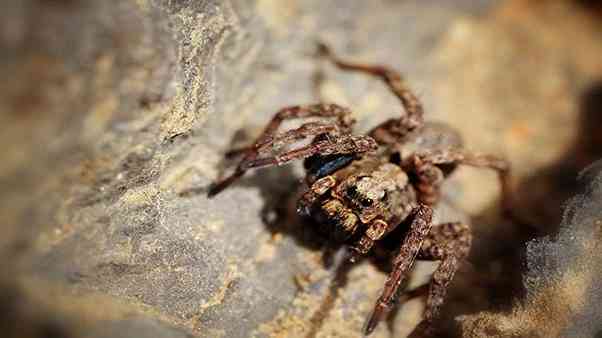
Attics, basements, and closets are ideal hiding spots because they’re undisturbed most of the time. Spiders and cockroaches are the most common residents. Cockroaches gravitate toward cool, dark corners, damp floor drains, and sump pumps, while spiders prefer dry, quiet spaces.
Check behind boxes and stored furniture, and in open framing like floor joists and rafters. In closets, look for spiders and moths in crevices, storage boxes, the insides of shoes, and even folded or hanging clothes.


Not sure which type of spider you’ve found? Our guide to common house spiders can help.
The best way to get rid of bugs in storage areas is to remove their hiding places and then create a barrier where they travel.
Bathrooms and laundry rooms attract bugs because they’re warm and humid, with consistent sources of water. Cockroaches, silverfish, and spiders are the most common. Look under sinks and toilets, underneath and behind washers and dryers, behind picture frames and wall decorations, and in and around vents, ducts, and registers.
To get rid of bugs in bathrooms and laundry rooms, cut off their water supply and seal the gaps they use to move around.

Kitchens and pantries attract bugs for one simple reason: plenty of food and water. Ants and cockroaches are the most common. Look inside cabinets where food is stored and under the sink, where drain pipes and garbage disposals often leave a little moisture. Warm appliances like refrigerators, dishwashers, stoves, and toaster ovens are hot spots too, along with trash cans. Cutting off their food supply is the most important step in keeping them out.
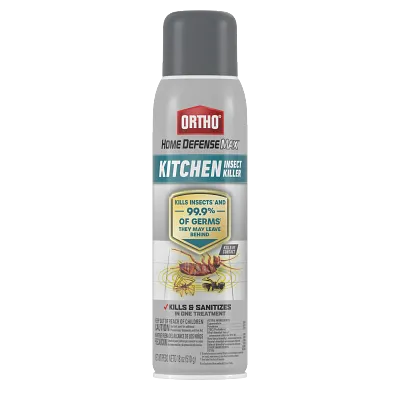
To get rid of kitchen bugs, remove what they’re eating, seal where they’re getting in, and treat the spots where they travel.


Ants are especially common in kitchens. For more help, see How to Get Rid of Ants in the Kitchen.
Now that you know where bugs like to hide, you can focus your effort on the right spots and get back to enjoying your home. For a whole-home plan, see How to Get Rid of Bugs Indoors.
The easiest way to find hiding bugs is to look at night with a flashlight, since many indoor bugs, including cockroaches and silverfish, are most active after dark. Check under sinks, behind appliances, and along baseboards. Signs to watch for include droppings, shed skins, webs, egg sacs, and small piles of debris near cracks.
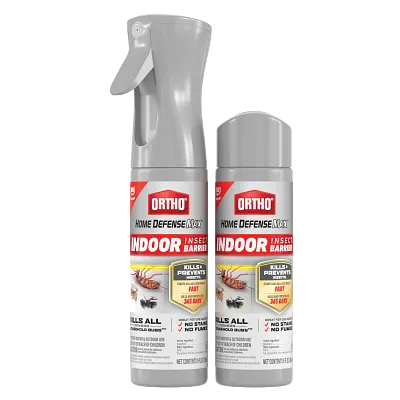
Yes. Ortho Home Defense Max Indoor Insect Barrier is labeled for use in kitchens as a spot or crack-and-crevice treatment, including under sinks, around appliances, and along baseboards. Before you spray, cover or remove exposed food, dishes, and food-prep equipment. After it dries, wash food-prep surfaces and utensils with soap and water before using them. Keep people and pets out of the area until the spray has completely dried.
You don’t need to treat every room. Focus on where bugs enter and travel: along baseboards, around doors and windows, under sinks, around appliances, and in the cracks where they hide. Apply a 4-inch band in these spots until slightly wet, not soaked. Rooms that rarely see bug activity usually don’t need treatment.
Ortho Home Defense Max Indoor Insect Barrier is formulated to leave no stains on listed surfaces, and it dries clear with no fumes. It’s still a good idea to test it on a small, hidden spot first, especially on delicate finishes.

Ortho earns your trust by being clear about what’s in its products and how to use them. Labels and packaging spell out active ingredients and directions so you can get good results and avoid mistakes. Active ingredients are reviewed regularly for safety, effectiveness, and environmental impact using a science-based process, and Ortho offers a range of control options. Ortho bug control products are designed to be effective, easy to use, and safe when used as directed.