




Update Location
Enter a ZIP code to get product recommendations and information tailored to your area.

Manage your turf without harming waterways with these simple tips.
Proper lawn care protects our natural waterways. That includes natural water resources like rivers, lakes, and groundwater, as well as man-made structures like drainage ditches and canals.
Keeping these waterways clean is an important part of a healthy environment. Good lawn care practices help reduce soil erosion and slow excess water runoff, which keeps waterways from overfilling or clogging with dirt and debris. In other words, a healthy lawn can actually help reduce flooding risks and keep water cleaner.
Here are some backyard tips, techniques, and tactics to help you do your part for lawns, and the planet.
Key Takeaways
Feed your lawn what it needs, when it needs it: whenever the grass is actively growing. A well-fed lawn grows thick roots and dense turf, which hold soil in place and slow runoff. Here's how to feed a healthy, environmentally friendly lawn:

Keeping your yard tidy doesn't just help it look nice. It helps the environment, too. Keeping fertilizer and grass clippings where they belong, on your lawn, prevents runoff into drainage ditches and other water sources.

Mulching your clippings and leaves back into the lawn returns nutrients to the soil and enriches it, which helps reduce erosion and runoff. Clippings keep nutrients where they belong: on your lawn and out of waterways. A mulching mower makes it easy.

Use a broadcast spreader with a side deflector to direct lawn products onto your lawn and away from driveways and waterways. Fertilizer on the sidewalk isn't helping your grass, and it can wash into drainage ditches. The right spreader helps you apply the right amount and keep it on the grass.
The Scotts Turf Builder EdgeGuard Mini Broadcast Spreader is a great option for medium-sized lawns. If you have a larger lawn, try the Scotts Turf Builder EdgeGuard DLX Broadcast Spreader. Not sure what you need? See How to Choose the Right Spreader for Your Yard?

Longer grass is stronger grass. Keeping your lawn on the tall side helps:
The result? Less erosion and runoff.

Water only when your lawn truly needs it, and use rainwater whenever you can. Here are a few ways to conserve water without sacrificing your lawn:
For more on a water-conscious lawn, check out 5 Efficient Ways to Conserve Water in Your Lawn.

If you live near water, create a natural barrier between your lawn and the waterway. A common guideline is a 10-foot "no-maintenance zone," which means no mowing, no feeding, and no pesticides within 10 feet of the water. Check your local rules, since some areas set their own distance. Fill the space with plants that thrive without fertilizer or extra watering.

Lawn Library
Buffer strip: a band of unmowed, unfertilized plants between a lawn and a waterway. It slows runoff and filters out soil and nutrients before they reach the water.
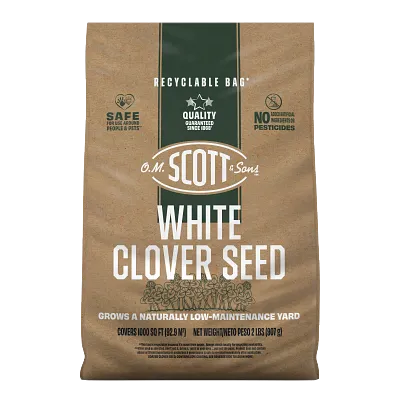
Next time you're planting a new lawn, or thickening the one you've got, consider clover. It's naturally low maintenance:

Start with the label. Every lawn product spells out when kids and pets can go back on the grass, and those directions vary. Products without weed or insect control often let your family return sooner. When you don't need weed or bug control, choosing a product without it keeps your routine simple and your yard ready for play.
A few easy habits help, too:

Looking for lawn care products made with kids and pets in mind? Explore our Kid- and pet-friendly products.
| Do | Don't |
|---|---|
|
Let your lawn go without water during short dry spells. Grass can go dormant and bounce back when rain returns. |
Water right before heavy rain or a forecasted storm. |
|
Use rainfall to water your lawn and landscape whenever you can. |
Dump clippings or yard waste into sewers, waterways, or onto hard surfaces. |
|
Keep a strip of unmowed, unfertilized plants next to any water's edge. |
Leave clippings, leaves, or spilled product on driveways and sidewalks. Sweep them back onto the lawn. |
|
Redirect gutters and downspouts to water lawns and gardens or fill rain barrels. |
Over-apply fertilizer. |
It can when it lands in the wrong place. Fertilizer that's spilled on pavement, over-applied, or spread right before heavy rain can wash into storm drains, which often empty straight into streams and lakes. Fertilizer that's applied at the label rate onto actively growing grass gets used by the lawn, and a thick lawn helps slow and filter runoff.
Usually, yes. Most established lawns already have enough phosphorus, and extra phosphorus that runs off can feed algae in lakes and ponds. The exception is new lawns, or soils a test shows are low in phosphorus. Some states also regulate phosphorus in lawn fertilizer, so check your local rules.
Clover has real advantages for a lower-impact yard. It's naturally low maintenance, needing less water and less fertilizer than many traditional grass lawns. Leave the clippings on the lawn after mowing for a natural feeding. If you let it flower, clover also provides food for bees and other pollinators. Many homeowners mix clover into an existing lawn to get the benefits of both.
A common guideline is to stay at least 10 feet from the water's edge and leave that strip unmowed and unfertilized. Some states and towns set their own distance, so check local rules before you apply any lawn care products.