




Update Location
Enter a ZIP code to get product recommendations and information tailored to your area.

Light, water, soil, food, and a little leaf care: here's what your indoor plants really need to thrive all year.
Caring for houseplants comes down to a handful of basics: the right light for the plant, water only when the soil is dry, a pot that drains, a quality indoor potting mix, feeding while they're growing, and clean, pest-free leaves. Match those to where your plant comes from in nature, and most houseplants are easier to keep happy than you'd think.
There's something quietly satisfying about spotting a brand-new leaf unfurling on an ordinary weekday morning. That little moment is what we're growing toward. Here's how to get there.
Key Takeaways
Every houseplant needs the same few things: light, water, a pot with drainage holes filled with high-quality indoor potting mix, nutrients, clean leaves, and a comfortable location to grow. What changes from plant to plant is how much of each. A cactus and a fern both need water, just on very different schedules. Use this table as your quick check, then jump to the section you need.
| Care Need | What most houseplants want | Signs something's off |
|---|---|---|
|
Light |
Bright, indirect light for most leafy plants |
|
|
Water |
Water when the top inch of soil is dry |
|
|
Container |
A pot with a drainage hole, just slightly bigger than the roots |
|
|
Soil |
A light, well-draining indoor potting mix |
|
|
Food |
Regular feeding while actively growing |
|
|
Leaves, pests and environment |
Clean leaves free of pests and diseases, 65–75°F, away from drafts and vents |
|
Most popular houseplants grow best in bright, indirect light: a spot near a window where they can see plenty of sky but aren't baking in direct sun for hours. Cacti, succulents, and citrus want bright, direct light. A handful of tough plants, like ZZ plants and snake plants, can tolerate low light. Your best clue is where the plant grows in nature: plants from shady forest floors like filtered light; desert plants like sun.
Bright, Direct Light
Cacti, succulents, citrus trees, herbs, and some palms are sun lovers that want several hours of direct light a day.
Bright, Indirect Light
Monstera, pothos, peace lilies, and fiddle leaf figs like plenty of light that's been softened by a curtain, blinds, or distance from the window.

Bright, indirect light: light that's strong enough to cast a soft, fuzzy-edged shadow but doesn't fall directly on the leaves. Think about spots a few feet back from a south- or west-facing window, or behind a sheer curtain.
Medium Light
Calatheas and prayer plants are happiest with gentler light, and many bright-indirect plants can get by with this amount of light too, just growing a little more slowly.
Low Light
No houseplant truly needs low light, but a few tolerate it well: ZZ plants, snake plants, pothos, and Chinese evergreen.
Water when the soil tells you to, not on a set day of the week. For most houseplants, that means watering when the top inch of soil feels dry, then watering thoroughly until some drains out the bottom of the pot. Depending on light, pot size, season, and plant type, that could be once a week or once every few weeks. Too much water, not too little, is the most common reason houseplants struggle.
How Do You Know When a Houseplant Needs Water?
Push your index finger about an inch into the soil. If it feels dry, it's time to water. If it's still cool and damp, check again in a day or two. A few other easy checks:

How Do You Water a Houseplant the Right Way?
If water runs straight through and the soil has shrunk away from the sides of the pot, it's gotten too dry to absorb water from the top. Set the pot in a few inches of water for 20 to 30 minutes so it can soak it up from below, then let it drain.
What Are the Signs of Overwatering?
An overwatered plant often looks thirsty, which is why it's so easy to make things worse. Check the soil before you reach for the watering can. Common signs include:
If you see these signs, let the soil dry out before watering again. If the roots are already mushy, trim away the damaged ones and repot in fresh, dry potting mix.
Root rot: a condition where roots sitting in soggy, airless soil start to decay, turning brown or black and mushy instead of firm and light-colored. Healthy roots need air as much as water.
Do Houseplants Need Less Water in Winter?
Yes, most do. Shorter days and low light levels slow growth in fall and winter, so plants use less water and the soil stays damp longer. Keep checking the soil rather than switching to a fixed winter schedule: in homes with forced-air heat, small pots near vents can still dry out quickly, and tropical plants growing under grow lights in a warm room may keep drinking at close to their summer pace.
The best pot for a houseplant has a drainage hole, is only a little larger than the plant's root ball, and is made of a material that suits how much moisture the plant likes. Terracotta dries out faster, which suits succulents and anyone who tends to overwater. Plastic and glazed ceramic hold moisture longer, which suits thirstier tropical plants. Get those three things right, and the rest is all about your style.
Does a Houseplant Pot Need a Drainage Hole?
Yes. A drainage hole lets extra water escape so roots don't sit in soggy soil, and it's one of the best ways to protect against root rot. Fell for a beautiful pot without one? Use it as a cachepot: keep your plant in a plastic nursery pot with holes, slip it inside, and pour out any water that collects in the bottom after you water.

Cachepot: a decorative outer container without drainage holes that holds a plainer, draining pot inside. It's pronounced "cash-po."
What Size Pot Does a Houseplant Need?
Choose a pot about 1 to 2 inches wider than the root ball for most tabletop plants. Large floor plants can go up 2 to 4 inches. It's tempting to size way up so you don't have to repot again soon, but an oversized pot holds far more soil than the roots can reach, so it stays wet longer and raises the risk of root rot. A pot that's too small dries out quickly and leaves the plant rootbound. For tall or top-heavy plants like fiddle leaf figs, look for a pot with a wide, heavy base so it won't tip over.
Rootbound: when roots fill a pot so completely that they circle the inside walls, leaving little room for soil, water, or new growth.
Which Pot Material Is Best for Houseplants?
It depends on how quickly you want the soil to dry out. Porous materials like terracotta let moisture escape through the pot's walls, so soil dries faster. Plastic, resin, and glazed ceramic hold moisture in, so soil stays damp longer. Match the material to your plant, and to your watering habits. For more on styles and which plants pair best with each, see our guide to types of planters for your houseplants.
Terracotta and Unglazed Clay
Plastic and Resin
Glazed Ceramic
Self-Watering Pots
Should You Put Gravel in the Bottom of a Pot?
You don't need to. A layer of gravel or broken pot shards won't make up for a missing drainage hole, and it takes up space roots could use. The most reliable recipe for good drainage is simple: a pot with a hole, filled top to bottom with a quality potting mix. If soil washes out of a large drainage hole, cover it with a small square of mesh or a coffee filter.
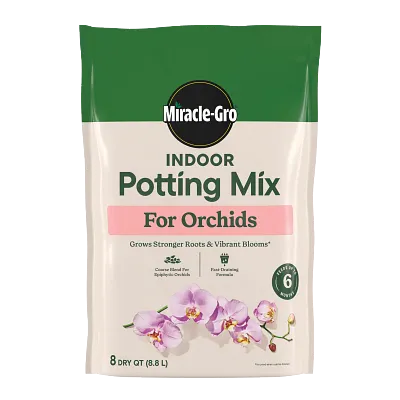
The best soil for most houseplants is a light, fluffy indoor potting mix, never garden soil, which packs down in a pot and crowds out the air roots need. Look for a mix that drains well but still holds some moisture and includes nutrients to get plants started. Miracle-Gro Indoor Potting Mix for All Plants is a blend of sphagnum peat moss, coir, and perlite that feeds for up to 6 months, and it's made without compost or bark, which can shelter fungus gnats.
Fungus gnats: tiny, dark, mosquito-like flies that hover around houseplant soil. Their larvae live in moist soil and organic material, which is why constantly wet soil and bark-heavy mixes tend to attract them.
What Should a Good Indoor Potting Mix Do?
A good indoor potting mix does three jobs at once:
Not every plant wants the same mix. Cacti and succulents come from dry, rocky places and need soil that drains much faster, like Miracle-Gro Indoor Potting Mix for Cactus and Succulent.
How Often Should You Repot a Houseplant?
Plan to refresh most houseplants with new potting mix about once a year, ideally in spring as they start growing again. Over time, potting mix runs low on nutrients, compacts, and builds up mineral residue from water and fertilizer. Your plant may also be ready for a bigger pot if you notice:
When you size up, go just one pot size larger (see "What Size Pot Does a Houseplant Need?" above). For the full how-to, see our guide to repotting a houseplant.

Yes, whenever they're actively growing. Even a great potting mix runs low on nutrients over time, and every watering rinses a little more away. Regular feeding replaces them so your plant can keep putting out healthy new leaves. If you've potted in an enriched mix, give it about 30 days, then start a feeding routine with Miracle-Gro Indoor Plant Food for All Plants. It's a gentle, instant feed, liquid plant food you pump right onto the soil or into your watering can.
Actively growing: putting out new leaves, stems, or flowers. A plant that hasn't produced anything new in several weeks is resting, and it uses much less water and food.
When Should You Feed Houseplants?
Feed your houseplants only while they're actively growing. For most plants, that's spring and summer, when days are long, the light is bright, and rooms are warm. In fall and winter, lower natural light and cooler temperatures slow growth way down or stop it altogether, so stop feeding until you see new growth again in spring. Food that a resting plant can't use just builds up in the soil.
There's one important exception. Many tropical houseplants kept under grow lights in a warm room will keep growing right through winter. If your plant is still putting out new leaves, it still needs food, so keep feeding on your regular schedule.
Grow light: an electric light designed to give plants the light they need to grow. Grow lights are a big help in dim rooms and during short winter days.
How Often Should You Feed Houseplants?
While your plants are actively growing, feed them every two weeks as part of your regular watering routine, following the label directions. With Miracle-Gro Indoor Plant Food for All Plants, that's one pump on the soil for a small pot or two pumps for a pot over 6 inches, then water as usual. Prefer to feed and water in one step? Mix 4 pumps into a quart of water and use it in your watering can. More isn't better here: feeding more often than directed can hurt your plants rather than help them.
What Happens If You Overfeed a Houseplant?
Too much fertilizer builds up as salts in the soil, which can pull moisture away from the roots. Watch for a white crust on the soil or pot rim, brown or crispy leaf tips, and wilting even when the soil is moist. To fix it, water the plant thoroughly a few times in a row, letting it drain completely each time to rinse out the excess, then hold off on feeding for a few weeks. One more thing worth knowing: food can't fix a light or water problem, so sort those out first if a plant is struggling.

Every few weeks, gently wipe smooth leaves with a soft, damp cloth while supporting each leaf from underneath, or rinse plants under a lukewarm shower. Dust blocks the light leaves need for photosynthesis, and cleaning is the perfect excuse for a close look at your plant. For hard-leaved plants like monstera, pothos, rubber plants, and fiddle leaf figs, Miracle-Gro Plant Care Leaf Protect & Shine cleans leaves, gives them a glossy finish, and protects against common pests and powdery mildew. Use it every 7 to 14 days for regular care.
A few things to keep in mind:
How Do You Spot Houseplant Pests Early?
The easiest way to catch pests early is to look while you water. Turn over a few leaves and check the undersides and the spots where leaves meet stems. Signs to watch for:
Keep new plants away from the rest of your collection for a couple of weeks until you're sure they're pest-free. If you find mites, aphids, thrips, or whiteflies on a hard-leaved plant, Leaf Protect & Shine can be used every 4 days until they're gone, then every 7 to 14 days.


For help identifying what you're seeing, check our guide to common indoor plant problems.
Most houseplants are comfortable in the same range you are: about 65–75°F during the day and a little cooler at night. Keep them away from cold drafts, radiators, and heating or air conditioning vents. Many tropical houseplants prefer 40 to 50% humidity, but heated homes often drop well below that in winter. To raise it, group plants together, set pots on a tray of pebbles and water (with the pot sitting above the waterline), or run a humidifier.
Desert plants like cacti and succulents are the exception. They're happy in dry air and just need good airflow and soil that dries out between waterings.
Does Misting Houseplants Raise Humidity?
Not in any lasting way. Misting raises the humidity around a plant for only a few minutes before it evaporates, so you'd have to mist many times a day to make a difference, and constantly wet leaves can invite disease on some plants. A humidifier, a pebble tray, or grouping plants together will do far more.
Pothos, snake plants, ZZ plants, spider plants, and peace lilies are all forgiving choices. They tolerate a range of light, bounce back from a missed watering, and let you know clearly when something's off, which makes them great teachers for first-time plant parents.
Yellow leaves most often point to watering, usually too much rather than too little, so check the soil first. Too little light, a need for food, or simple aging (a plant naturally drops its oldest, lowest leaves now and then) can also be the cause. Our guide to common indoor plant problems walks through how to tell them apart.
No. Garden soil is heavy and compacts in a container, which squeezes out the air roots need and holds too much water. It can also bring in insects and weed seeds. An indoor potting mix is designed to stay light, airy, and drain well in a pot.
Not in a way you'd notice in a typical home. The idea comes from studies in small, sealed test chambers, and researchers who later compared those results with real homes found you'd need far more plants than anyone could fit to match what normal ventilation already does. The real benefits of houseplants are different, and just as worthwhile: a bit of living green, a calming daily routine, and the small joy of watching something grow. For more information on houseplants help improve our daily lives, read Bask in the Benefits of Houseplants.
Some popular houseplants, including pothos, philodendron, peace lily, dieffenbachia, and ZZ plants, can irritate a pet's mouth and stomach if chewed. If you share your home with curious pets, check whether a plant is pet-safe before you bring it home, keep risky plants out of reach, and call your veterinarian if you think your pet has eaten one. Some pet-friendly houseplant options include peperomia, ponytail palm, pilea, stromanthes, calathea, and bird’s nest fern.