




Update Location
Enter a ZIP code to get product recommendations and information tailored to your area.

Few shrubs deliver the kind of jaw-dropping, larger-than-life blooms that hydrangeas do. Whether you're dreaming of lush blue globes, soft pink clusters, or bright white cones, learning how to grow hydrangeas is one of the most rewarding things you can do for your yard. This guide walks you through everything you need to know about hydrangea care, from planting and feeding to pruning, changing bloom color, and more.
| Feature | Details |
|---|---|
|
Botanical Name |
Hydrangea spp. |
|
Plant Type |
Deciduous perennial shrub |
|
Mature Size |
3-15 ft. tall x 3-12 ft. wide (varies by species) |
|
Blooming Season |
Late spring through fall (varies by type) |
|
Flower Colors |
Blue, pink, white, or purple (varies by type and, in some cases, soil pH) |
|
Growth Rate |
Moderate to fast |
|
Light Needs |
Morning sun with afternoon shade (4-6 hours direct); oakleaf and climbing types tolerate deeper shade |
|
Water Needs |
High—consistent moisture is essential |
|
Soil Type |
Rich, well-draining, amended with organic matter |
|
Soil pH |
5.2-5.5 for blue blooms; 6.0-6.5 for pink blooms; non-color changing hydrangeas prefer a pH of 6.0-7.0 |
|
Maintenance Level |
Moderate (consistent watering, seasonal pruning, and optional soil pH management for blue blooms) |
|
Hardiness Zones |
USDA 3-9 (varies by species) |
|
Toxicity |
Toxic to dogs and cats |
Hydrangeas are forgiving shrubs, but a good start makes all the difference in how quickly they settle in and bloom. Get the basics right and you'll set your plants up for years of spectacular blooming.
How to plant hydrangeas?
Proper planting technique, combined with the right timing, gives your hydrangeas the foundation they need to thrive.

What kind of soil do hydrangeas need?
Hydrangeas are big drinkers, so their soil needs to hold moisture without staying waterlogged—think rich, loamy, and full of organic matter. Heavy clay holds too much water around the roots, while sandy soil drains too fast. Amending either with compost or organic matter, like a quality garden soil, solves both problems and hits the sweet spot. Good drainage is essential because soggy roots invite rot and suffocate the plant.
What is the ideal soil pH for hydrangeas?
This is where things get fun, because hydrangea soil pH for blue flowers is completely different from the pH for pink ones. Bigleaf (mophead) and mountain hydrangeas produce blue blooms when soil pH sits between 5.2 and 5.5, which makes aluminum more available for the plant to absorb. At a higher pH of 6.0 to 6.5, those same varieties bloom pink. A soil pH in between often produces purple or muddled blends of both. If you want blue blooms, work in soil sulfur or an aluminum sulfate amendment; for pink, add garden lime to raise the pH. This color-shifting trick only works on bigleaf and mountain hydrangeas; white-blooming types like panicle and oakleaf hydrangeas stay white no matter the pH but prefer a pH between 6.0 and 7.0. A simple home test kit tells you where your soil stands so you can adjust from there.
How much sun do hydrangeas need?
Hydrangeas generally perform best with about four to six hours of morning sunlight and some protection from harsh afternoon rays. In northern climates, most types can handle full sun all day. In the South, afternoon shade is especially important for bigleaf and oakleaf varieties to prevent leaf scorch and keep soil from drying out too fast. Panicle hydrangeas are the exception and actually flower more heavily in full sun.
How far apart should I space them?
Spacing depends on your hydrangea type, so always check the plant tag. As a general rule, space most shrub hydrangeas three to six feet apart. Generous spacing promotes good airflow, which helps prevent fungal diseases and gives each plant room to reach its mature size without crowding.
Hydrangeas are rarely grown from seed in home gardens. Seeds are tiny, unreliable, and the resulting plants may not match the parent variety or bloom for years. The far better approach is stem cuttings, covered in the propagation section below. If you want to try seeds, scatter them on the surface of a moist seed-starting mix (do not cover; they need light), place the tray in a warm bright spot under plastic film to hold humidity, and mist regularly. Germination takes roughly 14 to 21 days. Transplant seedlings once they have two sets of true leaves and grow them on for a full season before planting outdoors.
Consistent watering and well-timed feeding are the backbone of great hydrangea care. These moisture-loving shrubs reward you with bigger, more vibrant blooms when you stay on top of both.
How often should I water?
Hydrangeas drink heavily (their name literally references water), so correct watering makes a real difference in plant health.
What is the best fertilizer for hydrangeas?
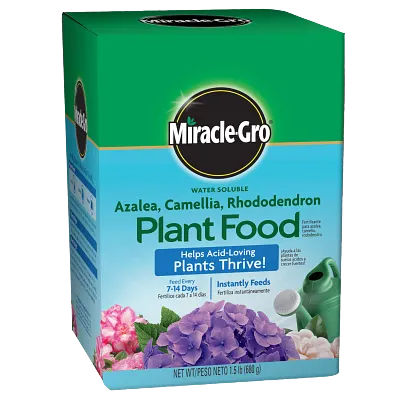
Providing the right nutrients at the right time encourages vigorous growth and showstopping flower clusters. A slow-release formula, like Shake ‘n Feed Flowering Trees & Shrubs, works especially well because it delivers a steady supply of nutrition over several months. Feed in early spring as new growth emerges and again just before summer. For hydrangea varieties that need acidic soil to promote blue flowers, an acid-loving plant food can do double duty by nourishing the plant and helping maintain the lower pH needed for blue blooms. Avoid fertilizing after August in cold-winter regions, as late feeding can stimulate tender growth that's vulnerable to frost.
Beyond the basics of water and food, a few targeted care techniques keep your hydrangeas producing beautiful blooms season after season and year after year.
How do I Deadhead Hydrangeas?
Deadheading spent flower heads encourages certain hydrangea types to redirect energy into new blooms rather than seed production.
How do I Prune Hydrangeas?
The single biggest factor in whether your hydrangea blooms next year isn't sun, water, or fertilizer—it's pruning timing.


How to tell if you hydrangea blooms on old wood or new wood? Old-wood bloomers (bigleaf, oakleaf) flower on stems from the prior year, while new-wood bloomers (panicle, smooth) flower on the current season's growth. Prune old-wood types right after they finish flowering in summer, and prune new-wood types in late winter.
What are the daily maintenance needs?
A little routine attention goes a long way toward keeping hydrangeas looking their best.
Even seasoned growers run into trouble now and then. Knowing these common pitfalls ahead of time helps you sidestep them with confidence.
Don't Overwater
While hydrangeas love moisture, too much of a good thing leads to trouble. Overwatering creates soggy soil that suffocates roots and invites root rot. If you notice yellowing leaves and wilting despite wet soil, cut back on watering letting the top couple inches of soil dry slightly and make sure drainage is adequate.
Avoid High-Nitrogen Fertilizer Late In the Season
A big dose of nitrogen in late summer or early fall pushes soft, leafy growth that won't have time to harden off before winter, leaving the plant more vulnerable to cold damage. Stop feeding by midsummer (in August) and let the shrub ease into dormancy naturally.
Don’t Prune (or Fertilize) at the Wrong Time
Hydrangeas are hardy shrubs, so frost isn't usually the real threat, but losing next year's flowers is. Pruning old-wood bloomers too late in the season, or fertilizing heavily right before winter, can remove or damage the buds that are supposed to open next spring. When in doubt about pruning timing, wait to see where the flowers actually appear before you cut.
Healthy hydrangeas fend off most problems on their own, but even well-tended shrubs can face pest or disease pressure from time to time. Catching problems early makes them much easier to manage.
Identifying the Most Common Bugs and Fungus
Keep an eye out for these usual suspects so you can act fast.
Aphids
These tiny, soft-bodied insects cluster on new growth and the undersides of leaves, sucking plant sap and leaving behind sticky residue.
The Fix: A strong blast of water from your hose knocks most of them off. For heavier infestations, treat with an insecticidal soap or insecticide labeled for aphids according to label directions.
Powdery Mildew
A white, powdery coating on leaves and stems signals this common fungal disease, which thrives in humid conditions with poor airflow.
The Fix: Improve air circulation by thinning crowded stems, remove badly affected foliage, and apply a fungicide if the problem persists.
Root Rot
Caused by waterlogged soil, root rot shows up as yellowing, wilting leaves even when the ground is wet.
The Fix: Prevention is the best fix. Make sure soil drains well and adjust watering habits so roots never sit in standing water.
Cercospora Leaf Spot
Brown or purple spots with lighter centers on lower leaves are a telltale sign.
The Fix: Remove and discard affected leaves, avoid overhead watering, and apply a fungicide labeled for leaf spot if needed.

Growing hydrangeas in pots is a great option if you're short on yard space or want to move plants for seasonal sun and shade. Choose a container at least 18 to 24 inches in diameter with plenty of drainage holes. Fill it with a quality moisture control potting mix to help maintain consistent soil moisture. Potted hydrangeas need four to six hours of sun daily; morning light with afternoon shade works best in warmer climates. Water more frequently than you would in-ground plants, since containers dry out faster. In cold climates, move pots to a sheltered spot like an unheated garage for the winter, and avoid unglazed clay or terracotta pots that can crack during freeze-thaw cycles.

Propagating hydrangeas from stem cuttings is easy and a wonderful way to share your favorite varieties with friends and family.

Once your hydrangeas are blooming beautifully, you'll want to bring some of that beauty indoors or preserve blooms for dried arrangements. Timing and technique make all the difference for long-lasting cut hydrangeas or viable seeds.
Tips on Cutting Hydrangeas for Vases

How to Dry Hydrangeas for Dried Arrangements
Dried hydrangeas hold their shape and color beautifully, making them a popular long-lasting choice for wreaths, centerpieces, and home decor. For the best results, harvest and process them correctly.
When to Collect Seeds
Most hydrangea cultivars are hybrids and seed-grown plants won't match the parent. This route is mostly for curious experimenters, not typical home propagation.
With so many species and cultivars available, picking the right hydrangea for your garden comes down to climate, space, and the look you're after.
List of Popular Hydrangea Varieties
Exploring different types helps you find the perfect match for your landscape.

Yes. Hydrangeas are deciduous perennial shrubs that die back in winter and return with new growth each spring. With proper hydrangea care and a variety suited to your hardiness zone, they'll reward you with blooms for many years.
No. The ASPCA lists hydrangeas as toxic to both dogs and cats. All parts of the plant contain cyanogenic glycosides, which can cause vomiting, diarrhea, and lethargy if ingested. If you suspect your pet has eaten any part of a hydrangea, contact your veterinarian immediately.
Yellow leaves usually point to overwatering, poor drainage, or a nutrient deficiency—particularly iron, which becomes less available in alkaline soils. Check your watering habits first, then test your soil pH and consider amending with sulfur or an acid-loving fertilizer if the pH is too high.
Most hydrangeas bloom for about eight to twelve weeks, from late spring or early summer into fall. The exact window depends on the species and your climate, with some reblooming varieties flowering even longer.
Hydrangeas can be grown indoors temporarily; you've probably seen potted florist hydrangeas as gifts. However, they need consistent bright light, high humidity, and cool temperatures that most homes can't sustain long-term. They're happiest planted outdoors where they can experience natural seasonal cycles.
Most hydrangeas fail to bloom when old-wood varieties are pruned at the wrong time or damaged by a late spring frost. Bigleaf, mountain, and oakleaf hydrangeas set their flower buds on stems grown the previous year. Prune those stems in fall or winter and next year's blooms never develop. Old-wood types should be pruned right after they finish flowering in midsummer. Fewer than four hours of direct sun daily can also suppress bud formation—keep that in mind if your hydrangea is growing in heavy shade.
To trigger a hydrangea bloom color change to blue, you need to lower your soil pH to between 5.2 and 5.5 and make sure aluminum is available for the plant to absorb. Apply aluminum sulfate to the soil around your bigleaf hydrangeas according to package directions. Test soil pH first, because over-acidifying can damage roots. Note that only bigleaf and mountain hydrangeas respond to pH changes. White varieties stay white regardless.
Whether you're a first-time gardener or a seasoned landscape enthusiast, hydrangeas are among the most rewarding shrubs you can grow. By choosing the right variety for your hardiness zone, planting in rich, well-draining soil, and mastering your pruning timing, you'll unlock season after season of jaw-dropping blooms. Stay consistent with watering, feed with the right fertilizer, and watch your hydrangeas become the show-stopping centerpiece of your yard. Whether you go with classic blue mopheads, towering white panicles, or the bold fall foliage of an oakleaf, there's a hydrangea out there that's perfect for your garden.