




Update Location
Enter a ZIP code to get product recommendations and information tailored to your area.

Fall might be your lawn's most important season, even more than spring. Cool nights, warm soil, and slower top growth all work together to help grass build the strong roots it leans on all winter and uses for a fast green-up next year. Here's your complete fall lawn care checklist, with a link to the full how-to for every task.
Start fall lawn care as soon as nighttime temperatures settle into the 60s—usually early-to-mid September in the North, a few weeks later in the South. That timing gives cool nights and warm soil a chance to work in your favor before the first hard frost shuts things down for the season.
You don't have to tackle everything in one weekend. Fall lawn care is really a handful of separate projects, each with its own best window between now and the first freeze. Below, we've broken them out task by task, in the order most lawns need them.
Think of fall as your lawn's last real chance to build strength before winter and give it a head start on next spring. Here's what to tackle, and why each task earns its spot on the list.
1. Feed Your Lawn
A fall feeding (or two) helps your lawn recover from summer stress and builds the root reserves it draws on all winter. Fall is a good time to feed—one of the four feedings a healthy lawn benefits from each year—and it’s the most impactful one heading into winter. We cover the full why-and-how in The Benefits of Fertilizing the Lawn in Fall. The key takeaway is: apply a fall lawn food in early fall, then again 6-8 weeks later if you can.

2. Fill In Bare and Thin Spots
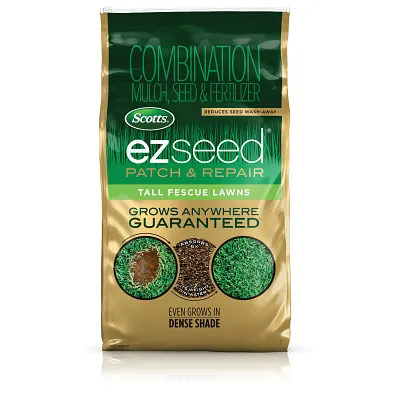
If you live in the North, fall's warm soil and cooler air make it the best time of year to get grass seed to take, whether you're patching a few bare spots or thickening a lawn that's gone thin. See Fall Grass Seeding: Why Fall Is the Best Time to Seed Cool-Season Lawns for the full rundown on repairing, overseeding, and starting from scratch.
3. Aerate and Dethatch If Your Lawn Needs It
If your lawn feels spongy underfoot, or water tends to puddle instead of soaking in, it's worth aerating, dethatching, or both before you fertilize or seed. Early fall is one of two good windows for cool-season lawns (the other is early spring). See How to Aerate & Dethatch Your Lawn for the full how-to.
PRO TIP: if you're planning to overseed this fall, aerate first. Pulling soil plugs opens up small pockets that give grass seed better soil contact, so the seed you put down afterward has a much better shot at germinating.
Thatch: a layer of dead grass, roots, and debris that builds up between the soil and the living grass blades. A little is normal; more than about half an inch can block water and nutrients from reaching the roots.
4. Test (and Adjust) Your Soil pH
Fall is also a good time to add lime if a soil test says your lawn's pH is too low. The freeze-thaw cycles and extra rain and snow over fall and winter help work it into the soil naturally. Full details, including how to test first, are in How & When to Add Lime to Your Soil.
5. Mulch Fallen Leaves Instead of Raking
Skip the rake this year. Mowing leaves into small pieces and leaving them on the lawn feeds your soil as they break down, instead of sending bags of leaves to a landfill. See Don't Rake Those Leaves: Mulch Them Into Your Lawn for the simple mowing technique.
6. Mow a Little Shorter as Winter Gets Close
Once the grass slows its growth but before the ground freezes, drop your mower height for your last cut or two of the season. Grass that's too tall going into winter is more prone to matting down under snow, which can lead to snow mold come spring. See Snow Mold: What It Is & How to Treat It to learn how to prevent it.

7. Clean Gutters, Store Furniture, and Put Tools Away
The last fall lawn care task isn't really about the lawn; it's about everything around it. Clear gutters so fall rain and melting snow drain properly instead of pooling near your foundation; store or cover outdoor furniture; and give mowers and trimmers a quick clean before they sit for winter. If you run a sprinkler system, this is also the time to winterize it; see How to Winterize Your Sprinkler System.

Yes. If your Northern cool-season lawn needs both, fall is actually the one season built for doing them together. A fall feeding builds the root strength your lawn needs to support new growth, while fall seeding fills in the bare and thin spots that feeding alone can't fix. They're not competing projects; they work on different parts of the same goal.
If you only have time for one project this year, prioritize whichever problem is more visible on your lawn right now. If your lawn is essentially healthy but maybe a little thin, feed your lawn with fall lawn food. If you’ve got a really thin lawn or bare patches that need to fill in, focus on seeding instead.
PRO TIP: If you’re planning to both fertilize and seed your lawn this fall, make sure you use compatible products. Most straight lawn fertilizers can be used with grass seed, but weed and feed products, like Turf Builder WinterGuard Fall Weed & Feed, have seeding restrictions.
As soon as nighttime temperatures settle into the 60s which is typically early-to-mid September in the North and a few weeks later in the South. Starting early gives you time to work through the full checklist before the ground freezes.
If you only do one thing, feed your lawn. A fall feeding builds the root reserves your lawn draws on through winter and uses to green up faster next spring. Everything else on this fall checklist builds on a lawn that's already been fed.
Aerate first, then overseed. Aerating loosens compacted soil and creates small pockets where grass seed can settle in and make good soil contact, which gives the seed a better chance of germinating.