




Update Location
Enter a ZIP code to get product recommendations and information tailored to your area.

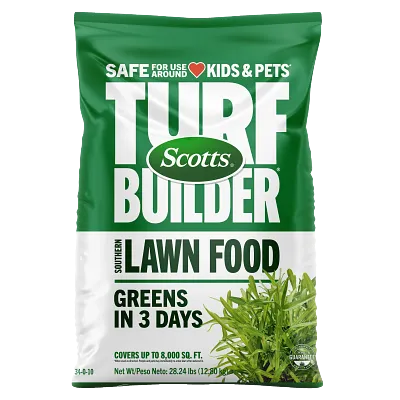
Fall is a good time to feed your lawn because grass shifts its energy from top growth to roots and energy storage as temperatures cool, so the nutrients you apply go straight toward building a stronger root system instead of more grass to mow. That stored energy is what your lawn draws on to get through winter and green up quickly once spring arrives.
We won't tell you fall is the only time your lawn needs to be fed, or even the single best time. A healthy lawn benefits from feeding up to four times a year—early spring, late spring, summer, and fall—and each one does a different job. Fall's job is summer recovery, root-building, and winter prep, which is exactly why it shouldn’t be skipped.
Fall lawn fertilizer rebuilds the root system and energy reserves your lawn used up getting through summer heat, foot traffic, and drought stress. A properly-timed fall feeding:

Dormancy: a natural, temporary rest period where grass stops actively growing and turns brown or tan to conserve energy—typically triggered by cold (winter dormancy) or heat and drought (summer dormancy). Dormant grass isn't dead; it resumes growth when conditions improve.
Most lawns benefit from two fall feedings, spaced 6 to 8 weeks apart—one in early fall and a second as the season winds down. The first feeding helps repair summer damage; the second builds the deeper root reserves your lawn leans on through winter.
If you only have time for one fall feeding, apply it in early fall rather than waiting. You'll still get meaningful root benefit, just not the full two-application effect.
Timing depends on your grass type and region, since Northern cool-season lawns and Southern warm-season lawns head into fall on very different schedules.
Northern (Cool-Season) Lawns
Apply your first fall feeding to cool-season lawns around Labor Day, then follow up 6-8 weeks later, typically mid-to-late October depending on your climate. Cool-season grasses (like Kentucky bluegrass, fescue, and ryegrass) are actively growing through fall, so they put those nutrients to work right away.
Southern (Warm-Season) Lawns
Warm-season lawns (like St. Augustine, zoysia, and bermudagrass) are heading toward dormancy, not active fall growth, so their feeding schedule shifts earlier. A single application timed for early-to-mid fall, before the lawn goes dormant for winter, is typically enough.

Neither one is "better," and both are important; they're not competing for the same job. Spring feeding fuels the season's first flush of growth after the lawn comes out of dormancy. Fall feeding builds strong roots for winter and sets up next spring's green-up. A lawn fed in both seasons, plus a couple of feedings in between, simply performs better year-round than one fed in only one season.
As a rule of thumb, get your last fall feeding down before the ground freezes and while grass is still actively growing. For most Northern lawns, that's sometime in October, sliding into early November in milder climates. Fertilizing too late, after grass has gone dormant, means the lawn can't use the nutrients, and they're more likely to wash away instead of doing your lawn any good.
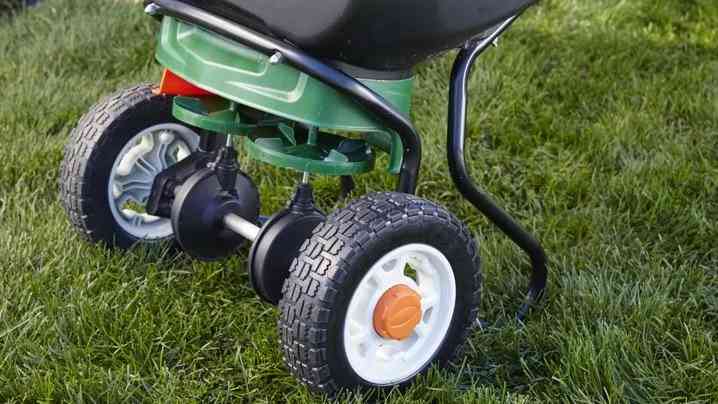
Whichever you choose, apply with a properly-calibrated spreader and always follow the product label's rate—more isn't better, it just means more has the potential to be leached away instead of feeding your lawn.

If your lawn needs repair or thickening, learn how to time and combine your seeding and feeding projects in "Fall Grass Seeding: Why Fall Is the Best Time to Seed Cool-Season Lawns".
Two feedings, spaced 6-8 weeks apart, gets you the full benefit—one in early fall and one as the season winds down. One feeding still helps if that's all you have time for.
Neither is better on its own. They do different jobs. Spring feeding fuels new growth after winter; fall feeding builds root strength for winter and next spring. A lawn fed in both seasons, plus a couple of feedings in between, performs best overall.
Get your last application down while grass is still actively growing and before the ground freezes—typically October for most Northern lawns. Feeding a dormant lawn wastes the fertilizer instead of helping the grass.
Fall lawn food feeds only; a fall weed & feed adds weed control to the same application. Choose a weed and feed product if you're also seeing perennial weeds like dandelion or clover in your lawn.