




Update Location
Enter a ZIP code to get product recommendations and information tailored to your area.

Summer should be the season you actually enjoy your lawn—backyard cookouts, kids running through the sprinkler, Saturday afternoon lounging in the shade. But for your grass, summer can be the hardest time of year. Heat, drought, foot traffic, insects, and weeds all pile on at once, and without the right care, even a healthy lawn can start to struggle.
Summer lawn stress is what happens when the demands placed on your grass outpace its ability to cope. Heat and drought are the primary culprits, but they're rarely working alone. Foot traffic, insects, weeds, and poor mowing habits all pile on and make an already hard growing season harder.
Understanding what's causing stress to your lawn—and why—is the first step to doing something about it.
Heat and Drought
Most cool-season grasses, including Kentucky bluegrass, fescue, and ryegrass, are happiest when temperatures stay between 60°F and 75°F. Once the thermometer climbs above 90°F for several consecutive days, cool-season grasses slow their growth dramatically and can start to struggle. Warm-season grasses like bermudagrass and zoysia are built for heat, but even they have their limits during extended droughts.
Drought compounds the problem. Without adequate water, grass can't move nutrients from the roots to the blades or photosynthesize efficiently and eventually goes dormant or worse. The trouble is that drought stress often isn't visible until it's already fairly serious which is why knowing the early warning signs matters so much.
Foot Traffic
Your lawn is built to be used, and a healthy, well-watered lawn handles normal activity just fine. But during dry, hot weather, repeated foot traffic becomes a compounding stressor. Dry grass blades are more fragile; they stay flattened instead of springing back up, and repeated pressure can damage the crown of the plant (the growing point at soil level). Alternatively, walking on waterlogged soil creates a different problem—compaction. Compacted soil restricts the air pockets roots need to grow and reduces the water infiltration that keeps the lawn hydrated.
Insects and Weeds
A weakened lawn is an open invitation to opportunists. Grubs, chinch bugs, and armyworms are most active in summer, and a heat-stressed lawn has fewer resources to push back. Weeds, especially crabgrass, thrive in thin, weak turf, moving into bare or stressed spots where the competition from healthy grass has broken down.
The sooner you catch it, the easier it is to fix. Here are the signs to look for, roughly in order of severity.
The Footprint Test
Walk across your lawn, then look back. If the grass springs back up within a minute or two, you're in good shape. If your footprints stay visible—flattened, dull, and slow to recover—your lawn is telling you it's stressed and needs water. This test is especially useful in the early stages of drought, when the lawn still looks green but is already struggling underneath.
Color Changes: Blue-Gray Is a Red Flag
A healthy lawn is vibrant green. A drought-stressed lawn shifts color in stages: first to a dull blue-gray or grayish-green (this is the grass folding its blades slightly to reduce moisture loss), then to yellow, and eventually to tan or brown. That blue-gray stage is your best opportunity to intervene. Deep watering at this point can often turn things around before the lawn goes fully dormant.
Brown or Yellow Patches
Patchiness matters. Drought stress tends to affect the lawn fairly evenly, turning it uniformly tan or brown. If you're seeing distinct yellow or brown patches, especially patches that don't follow the sun exposure pattern of your yard, another problem may be at play. Patches near pavement, on slopes, or in high-traffic areas usually signal heat and drought stress. Patches that appear suddenly after rain or in shade may indicate fungal disease. When patches are spreading more than a few inches per day, it's worth investigating the cause.
Hard, Dry, or Water-Repellent Soil
Extended dry periods can cause soil to become hydrophobic—essentially developing a waxy, water-resistant surface that causes irrigation to bead up and run off rather than soaking in. If you notice water pooling on the surface of dry soil rather than absorbing, this may be the issue. Deep core aeration and consistent watering over time can help break up this condition.
Dormancy vs. Damage: Know the Difference
Here's an important distinction that a lot of homeowners miss: a dormant lawn is not a dead lawn.
When heat and drought become extreme, grass enters dormancy naturally. Dormancy is a protective mechanism where grass pauses its active growth and conserves energy to keep the crown of the plant alive. A dormant lawn will look uniformly tan or brown and will stop growing. But the crown, at soil level, stays viable. When conditions improve, whether that's cooler temperatures in fall or consistent watering, a dormant lawn will green back up.
A dead lawn won't come back. To tell the difference: pull up a small plug of turf. If the crown (the white or pale growing point at the base of the grass blades) is firm and intact, the lawn is dormant. If it's rotted, soft, or absent, the grass is likely dead in that area.
If you're unsure, resume regular watering consistently for two to three weeks. Signs of green re-emerging at the base of the plant are a reliable indicator of dormancy, not death.
The best summer lawn care happens before the summer heats up. These practices build a resilient lawn that handles heat and drought better from the start.
Water Deeply and at the Right Time
Deep, infrequent watering is the foundation of a drought-resilient lawn. When you water deeply, grass roots follow the moisture down into the soil where temperatures are more stable and water lasts longer. Frequent shallow watering does the opposite: roots stay near the surface, where they're vulnerable the moment the weather turns hot and dry.
Target about ½ inch of water twice a week, or 1 inch total per week during summer. A rain gauge placed in your yard helps you measure what you're actually putting down. During extreme heat or extended dry periods, your lawn may need slightly more.
When to water is just as important as how much. Water between 6 a.m. and 10 a.m. Early morning watering reduces evaporation loss and gives grass blades time to dry before nightfall. Afternoon watering loses a large percentage to evaporation before it even hits the soil. Evening watering sets up conditions for wet grass at night that significantly increases fungal disease risk.
If your area has implemented drought restrictions on watering, it's worth knowing that your lawn can survive full dormancy for four to six weeks without water; it just needs occasional light watering (15 to 20 minutes, once or twice a week) to keep the crown alive during extended no-water periods.
Mow High with a Sharp Blade
Raise your mower deck to its highest (or near-highest) setting during summer. Taller grass shades the soil surface, keeping it several degrees cooler and dramatically reducing evaporation. It also protects the crown of the grass plant from direct sun exposure. Most cool-season grasses thrive at 3½ to 4 inches in summer; warm-season grasses vary: aim for 3½–4 inches for St. Augustine, 2–2½ inches for Zoysia, and 1½–2 inches for Bermudagrass.
Blade sharpness is equally important. A dull blade tears and shreds grass rather than cutting it cleanly. Shredded tips turn brown and expose more surface area for moisture loss. A clean cut heals faster, looks better, and puts less stress on an already taxed plant. Sharpen your blades at least once per season—twice is better.
Never remove more than one-third of the total grass height in a single mowing, especially during dry periods. Cutting too aggressively removes the leaf area the plant needs for photosynthesis and accelerates stress.
Feed with a Slow-Release Fertilizer
Here's where a lot of the old conventional wisdom gets homeowners into trouble: the warning against summer fertilizing was always about quick-release, high-nitrogen products, not feeding in general.
Quick-release fertilizers push rapid, lush top growth. During summer heat, that surge of growth uses up precious water and energy reserves the plant needs for survival, and the flush of nitrogen can burn stressed roots and blades. That's a real concern, and it's why applying a quick-release fertilizer to a visibly stressed lawn is always a bad idea.
Slow-release fertilizers work differently. Products like Turf Builder Lawn Food use a mix of fast- and slow-release nitrogen. The nutrients are released gradually as soil microbes break them down, so your lawn gets what it needs, steadily, without the surge-and-crash risk. For the summer months specifically (June through August), Turf Builder SummerGuard feeds for up to 8 weeks while killing common summer lawn pests like chinch bugs, armyworms, ants, fleas, and ticks. It delivers nutrients steadily even during hot weather, building deeper roots and more drought-tolerant grass without the risk of burn.
Summer feeding rules of thumb:
Manage Foot Traffic Wisely
Your lawn is meant to be lived on, and a healthy, well-watered lawn handles recreational activity—kids playing, backyard gatherings, weekend lawn games—without a problem. Use the footprint test before heavy use: if grass springs back up, you're good to go.
During extended heat waves when the lawn is visibly stressed, minimize traffic on the most vulnerable areas. Dry, stressed grass blades are more fragile and slow to recover. High-traffic areas—pathways between the garage and yard, regular shortcuts across the lawn—benefit from stepping stones or a defined path that concentrates wear and protects the surrounding turf.


Going out of town this summer? See our guide to prepping your lawn before vacation so you come home to a yard worth returning to.
Sometimes the summer wins a round. If your lawn is already struggling, here's the right sequence of steps.
Step 1: Resume Deep, Consistent Watering
Resist the urge to flood a drought-stressed lawn in a single session. Instead, resume your regular watering schedule—½ inch twice a week—and maintain it consistently. For a fully dormant lawn, allow two to three weeks of regular watering before you expect to see significant green recovery. The grass is recuperating from the crown up, and it takes time.
If soil has become hydrophobic (water beads up rather than soaking in), a single deep, slow watering session letting water run until it does begin to penetrate can help break the surface tension and get the cycle restarted.
Step 2: Raise Your Mowing Height
If you've been mowing short, raise the deck immediately. Taller grass protects recovering turf, reduces evaporation from the soil, and allows the plant to put energy into root and crown recovery rather than constant regrowth of clipped blades.
Step 3: Hold Off on Fertilizing Until Recovery Is Underway
A lawn in full dormancy or active stress isn't growing and can't use nutrients effectively. Wait until you see clear signs of recovery—new green growth emerging, blades beginning to spring back—before resuming feeding. Once recovery is underway, a slow-release lawn food helps replenish nutrients and supports the stronger root development your lawn needs to build resilience going forward.
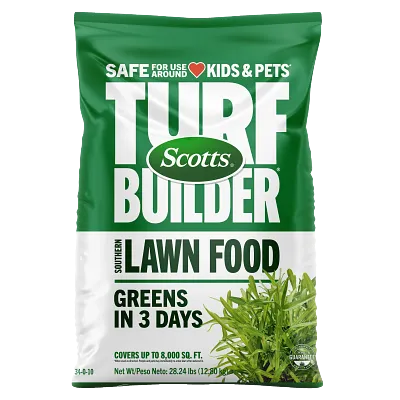
For warm-season grasses recovering from drought, Turf Builder Southern Lawn Food is formulated for the specific nutrient needs of those grass types. Cool-season grass recovery is supported by Turf Builder Lawn Food.
Step 4: Be Patient and Plan Ahead for Next Season
Cool-season grasses that go fully dormant in August often look completely brown by late summer and then come back naturally as fall temperatures drop and rain returns. Warm-season grasses can green up quickly once consistent watering resumes. Either way, resist the urge to overtreat. Too many interventions at once (heavy watering, fertilizing, weed control) on a stressed lawn can make things worse.
If your lawn consistently struggles in summer, fall is the time to address it. Core aeration opens up compacted soil, and overseeding with a more heat- and drought-tolerant variety can make next summer significantly easier. See our guide to drought-tolerant lawn grasses if you're considering a change.

Aerate to Relieve Compaction
Core aeration removes small plugs of soil from the lawn, opening up the root zone to air, water, and nutrients. It's one of the single most effective long-term investments for a lawn that sees regular foot traffic or has clay-heavy soil. The results aren't always immediate, but lawns that are aerated regularly consistently outperform those that aren't during drought conditions. The ideal time for cool-season grasses is fall; warm-season grasses benefit from spring aeration when they're actively growing.
Overseed with a More Resilient Variety
If your cool-season lawn struggles every summer with heat and drought, fall overseeding with a more resilient grass variety can make a meaningful difference. Drought Tolerant Mix grass seed is designed to maintain color and density even in scorching heat and drought conditions and spreads to fill bare spots on its own.
Consider a Low-Water Lawn Alternative
For homeowners willing to think differently about their lawn, a strawberry clover lawn offers a genuinely drought-resistant option. Clover's deep root system can access soil moisture that traditional grass can't reach, meaning it stays greener longer during dry periods, requires less frequent watering, and self-fertilizes when clippings are left on the lawn. It's a sustainable choice that puts less pressure on your yard—and your water bill—during summer.


Ready for a longer-term fix? Explore our drought-tolerant lawn grass guide to find a variety built for the heat.
Pull up a small plug of turf and examine the crown—the white, growing base at soil level. A firm, intact crown means the lawn is dormant and can recover with water and time. A rotted, soft, or missing crown means the grass is likely dead in that spot. If you're unsure, water consistently for two to three weeks and look for new green growth emerging from the base of the plant.
With the right product, yes, but not when the lawn is visibly stressed or fully dormant. Slow-release fertilizers like Turf Builder SummerGuard, which feeds the lawn and controls listed insects including ticks, are specifically formulated for summer use and feed gradually over a 6-8 week period without the burn risk of quick-release formulas. Always water your lawn 24 hours before applying, and never fertilize during active drought stress. Once your lawn is growing and showing good color, keep feeding it on schedule; a well-nourished lawn is more resilient to heat and drought.
Most lawns can survive 4 to 6 weeks without water by going dormant. During that period, occasional light watering (15 to 20 minutes, once or twice a week) can help keep the crown alive without triggering the lawn to break dormancy and then stress again. Cool-season grasses are more vulnerable; warm-season grasses like bermudagrass are more tolerant of extended drought.
Uniform browning usually signals drought stress or dormancy. Patchy browning, especially in irregular shapes, rings, or concentrated in shaded or high-traffic areas, suggests another issue: fungal disease, insect damage, soil compaction, or irrigation gaps. If the patches are spreading quickly or have a distinct shape, it's worth investigating more closely before treating.
Absolutely! Your lawn is made for living on. A healthy, well-watered lawn handles normal recreational use without a problem. The key is to avoid intense foot traffic during the hottest, driest stretches when your grass is already under stress. Use the footprint test: if the grass springs back after you step on it, you're good to go. After applying Turf Builder Lawn Food, kids and pets can return to the lawn as soon as the product has been watered in and the lawn is dry. Always check the product label for specific guidance.
That blue-gray or grayish-green color is one of the first visible signs that your lawn is under drought stress. It happens because the grass is beginning to fold or roll its blades slightly to conserve moisture, reducing the surface area exposed to sun and wind. It's an early warning sign, not a death sentence. If you don’t want your lawn to go dormant, water your lawn deeply as soon as you see it change colors. If you catch it at this stage, you can usually bring your lawn back quickly before it progresses to full dormancy or browning.
For cool-season grasses, you can often let dormancy run through late summer and count on fall rains and cooler temperatures to trigger natural recovery. If you want to actively revive the lawn, start deep, consistent watering (½ inch twice a week) and maintain it for two to three weeks. The key is consistency; resuming and then stopping watering sends the lawn through repeated stress cycles that are worse than staying dormant.
Summer heat and drought are real challenges for your lawn, but they're manageable ones. Know the warning signs, water smart, mow high, feed with a slow-release product, and give your lawn the recovery time it needs when things get hard. Do those things, and you'll be back to enjoying your yard before the season's out.