




Update Location
Enter a ZIP code to get product recommendations and information tailored to your area.
Indoor pest control is the practice of identifying, treating, and preventing unwanted insects inside your home, from targeted sprays and baits for specific pests to broad-spectrum barriers that stop invaders before they cross a threshold. The goal isn't to eliminate nature; it's to restore a comfortable balance between the world outside and the home you love.
Knowing what you're dealing with helps you choose the right solution faster. Ants follow scent trails to kitchens and bathrooms; cockroaches favor warm, dark spaces under sinks and behind appliances. Spiders settle into corners and basements, while fruit flies hover near produce and drains. Bed bugs hide in mattress seams, bed frames, and upholstered furniture, and they need a targeted bed bug treatment to address them effectively.
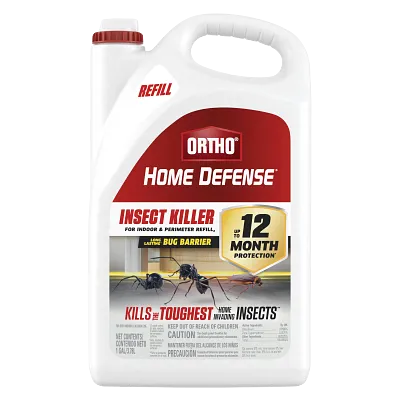
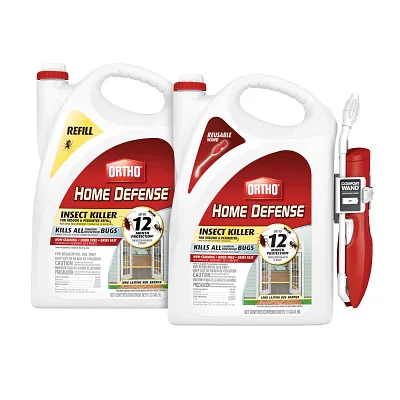
DIY pest control products like Ortho Home Defense use the same types of active ingredients found in many professional services but on your schedule, at a fraction of the cost. Professional services are best reserved for severe, established infestations or specialized pests like termites that require licensed equipment. For the vast majority of common indoor invaders—ants, roaches, spiders, fruit flies—a well-chosen indoor bug spray or indoor insect barrier gets the job done reliably.
Most indoor insect sprays and barriers use active ingredients that disrupt insects' nervous systems on contact or as they cross treated surfaces. Baits work at the source: insects carry the bait back to the colony, eliminating the problem where it starts. Flying insect traps use light to lure pests onto a sticky surface, which gets rid of fruit flies and fungus gnats without any spray at all. Together, these approaches create layered indoor pest control that addresses both active infestations and ongoing prevention.
| Pest Problem | Best Product Type | Reapply Every |
|---|---|---|
|
Ants in the kitchen or along baseboards |
Indoor barrier spray or kitchen insect killer |
Every 3–12 months |
|
Cockroaches under appliances or under sinks |
Ready-to-use Indoor insect killer spray |
Every 3–12 months |
|
Spider control indoors |
Perimeter spray or targeted aerosol |
Every 3–6 months |
|
Fruit flies and gnats |
Light-based flying insect trap |
Replace glue board monthly |
|
Bed bugs in mattresses and furniture |
Bed bug system: trap, spray and powder |
Follow label directions |
Step 1: Find entry points. Look for gaps around pipes, baseboards, and door frames; these are where ants, spiders, and roaches slip inside. Sealing them before or alongside treatment makes your products more effective.
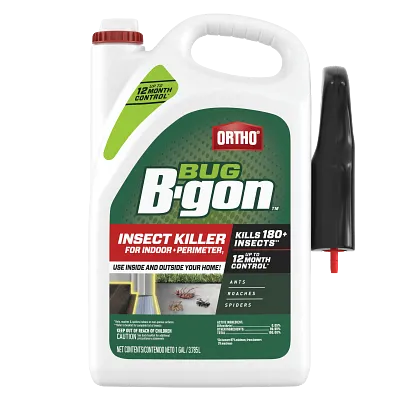
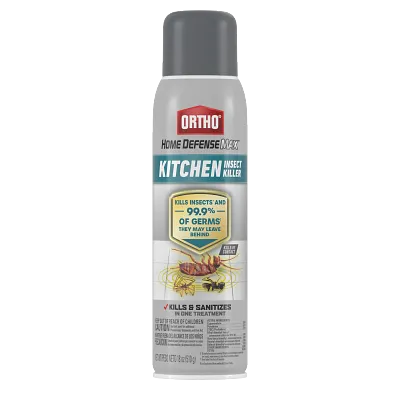
Step 2: Apply your barrier. Spray a ready-to-use indoor insect killer along baseboards, around windows, and under sinks. For the kitchen, a targeted kitchen formula kills active insects and can even sanitize surfaces. Let surfaces dry completely before children and pets return.
Step 3: Reach the hiding spots. Use an aerosol to treat behind appliances, and apply bed bug treatment thoroughly along mattress seams, box springs, and bed frame edges.
Maintain a quarterly barrier. For most homes, reapplying a home defense bug spray every 90 days keeps year-round coverage active. In warm, humid climates or during peak pest season, a monthly schedule may be needed. Always follow label directions before reapplying.
Remove what attracts them. Seal pantry items in airtight containers, fix dripping pipes, and empty trash regularly; these simple steps make your home far less appealing to common insect invaders.
Close the gaps. Weatherstripping, caulk, and door sweeps are inexpensive tools that reduce the number of entry points your indoor pest control products have to defend.
A layered approach works best: a long-lasting perimeter spray like Ortho Home Defense, combined with targeted treatments for specific pests and basic prevention habits like sealing food and entry points.
Apply a spray or barrier along baseboards, near plumbing, and around window sills, then remove the food or moisture that attracted them.
Many indoor bug sprays are formulated for homes with pets and children when used as directed, but always remove people and pets from the area during application, allow surfaces to dry fully, and follow label re-entry instructions.
For most homes, applying a home defense bug spray every three months maintains reliable, year-round coverage. Active infestations may call for monthly treatments for the first two to three months; homes in warmer climates may benefit from a tighter schedule during peak pest season.
A fast-acting aerosol roach killer applied directly to roaches and their hiding spots works on contact within minutes. For longer control, a crack-and-crevice spray foam reaches inside wall crevices and under appliances and keeps killing for up to 18 months.
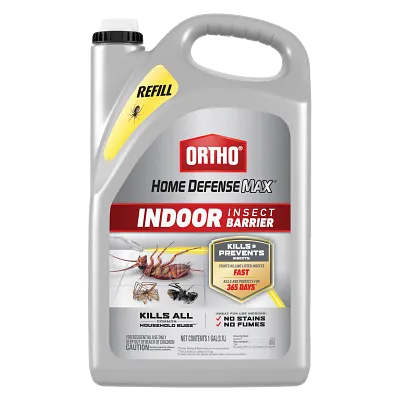
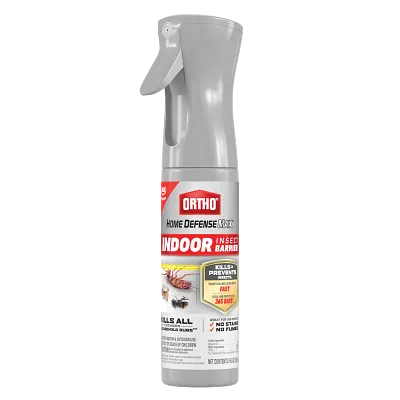
Spider control indoors starts with a perimeter spray applied along baseboards, in corners, and around door frames. Ortho Home Defense MAX Indoor Insect Barrier creates a fast drying, lasting line of defense. Reducing outdoor vegetation near your foundation lowers the spider population before they ever reach your door.