




Update Location
Enter a ZIP code to get product recommendations and information tailored to your area.

If you want a lawn that feels as good as it looks, zoysia grass is hard to beat. It grows into a dense, cushiony carpet that's tough underfoot and genuinely drought-tolerant once established. The tradeoff is that it takes its time getting there.
Zoysia is a warm-season grass commonly found from the central U.S. through the Carolinas, and like other warm-season grass types, it browns in cold weather. Here's how to plant and care for it.
Zoysia is a warm-season grass known for its thick, prickly-soft texture and slow, steady growth, forming one of the densest turfs of any lawn grass once it's established.

The best time to plant zoysia grass is late spring into early summer, once the air temperature is consistently at or above 80°F. For seed germination, aim for a soil temperature between 65°F and 90°F , and plan for a slower germination timeline than other warm-season grasses.
Step 1: Test and Improve Your Soil
Test your soil and work in amendments as needed, then loosen the top layer so new seed has good contact.
Step 2: Clear and Prep the Area
Clear rocks, sticks, and debris, and remove any existing grass or weeds before you prep the area with a thin layer of fresh soil, like Turf Builder LawnSoil.
Step 3: Spread the Seed
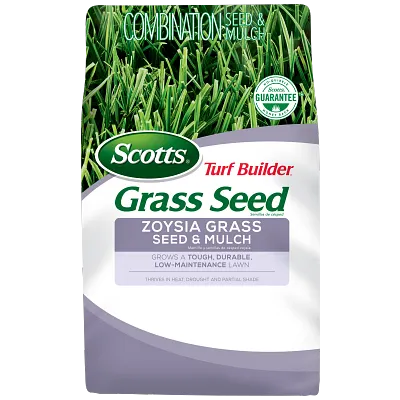
Use your Scotts spreader set to the new lawn rate on the bag to apply the zoysia grass seed.
Step 4: Add Starter Lawn Food
Applying a granular fertilizer formulated for new lawns, like Turf Builder Starter Lawn Food, after seeding gives your zoysiagrass seedlings the nutrients they’ll need for strong establishment.
Step 5: Ensure Seed-to-Soil Contact
Lightly rake or roll the area so the seed is pressed into the soil rather than sitting on top, where it could dry out quickly.
Step 6: Water Consistently
Keep the soil consistently moist until seedlings are established. Zoysia germinates slowly and can take anywhere from 14-21 days to sprout under ideal growing conditions.
Step 7: Wait to Mow
Hold off on mowing until the new grass reaches mowing height and has rooted in well enough to handle the traffic.
How Much Water Does Zoysia Grass Need?
Established zoysia is one of the more drought-tolerant warm-season grasses and typically needs about an inch of water a week during peak growing seasons and less during the cooler months.
What Height Should You Mow Zoysia Grass?
Mow your zoysia lawn to about 1 to 2 inches tall, using a sharp blade. Keep your mower blades sharp; zoysia’s dense growth can be tough on dull mower blades.
How Often Should You Feed Zoysia Grass?
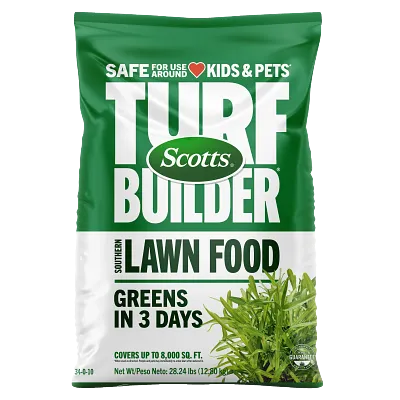
Feed with a starter lawn food at planting, then apply a Southern lawn food every 6 to 8 weeks through the growing season.
How Do You Patch Bare Spots in a Zoysia Grass Lawn?
A well-maintained zoysia lawn is very tolerant of wear and tear. However, bare spots can still pop-up over time. Clear the damaged area of debris and dead grass, loosen the soil, apply a zoysia-specific bare spot repair product, like EZ Seed, water it in well, and keep foot traffic off until the patch has filled in.
What Pests and Diseases Affect Zoysia Grass?
Zoysia's most common disease problem is brown patch (sometimes called large patch on warm-season lawns), which shows up as roughly circular patches of discolored, collapsing turf and is most active in hot, humid weather—daytime temperatures above 80°F and nighttime temperatures above 65°F, combined with prolonged wetness. A fungicide labeled for brown patch, such as DiseaseEx, helps bring an active outbreak under control. Watering your lawn in the morning rather than the evening helps keep it from coming back. See How to Treat Brown Patch Disease in the Lawn for a full identification and treatment guide.
Zoysia is also one of the preferred grasses of billbugs, a type of weevil. Look for irregular dead patches that show up over summer, and check by tugging on the dead grass. Damaged turf pulls up easily, often revealing hollowed-out stems or sawdust-like debris where the larvae have been feeding. Billbug larvae look and behave much like white grubs, and can be controlled with a grub product for lawns, like GrubEx Season Long Grub Killer.

Zoysia goes dormant and browns once cold weather sets in. Some homeowners overseed with perennial ryegrass in early fall to keep color through winter though many homeowners with zoysia lawns simply let it go dormant, since it's one of the first warm-season grasses to green back up in spring.